



Starting an online business can feel overwhelming when you’re staring at endless possibilities, but some e-commerce models can generate higher returns than others.
We looked at profit margins, startup costs and market demand across dozens of online business categories to identify the best opportunities for new entrepreneurs. Our research synthesized industry reports, successful business case studies and market data to spotlight business models with strong profit potential. Once established, certain niches can generate healthy margins that let you keep more money in your pocket.
1. Print-on-Demand Products
With print-on-demand (POD), you can snag a piece of the booming custom apparel market (estimated to grow by nearly $2.5 billion from 2025 to 2029) while keeping no inventory. Simply upload your designs to platforms such as Printful or Printify, and you may be able to earn profit margins as high as 40% without ever touching a physical product.
You don’t necessarily have to sell clothes, either. You can use the POD model for virtually anything you can print on, such as mugs, stationery and tote bags.
The beauty of this model lies in its risk-free nature. Test 20 different designs this week, and if 19 flop spectacularly, that one winner could still generate thousands of dollars in profit.
2. Digital Product Sales
Spend any kind of time on Instagram and you’ll find creators who’ve decided to take more control of their income by offering a digital product rather than relying on an algorithm’s whims to pay a pittance from their social media views. Digital downloads offer extremely high profit margins since there are no manufacturing or shipping costs involved.
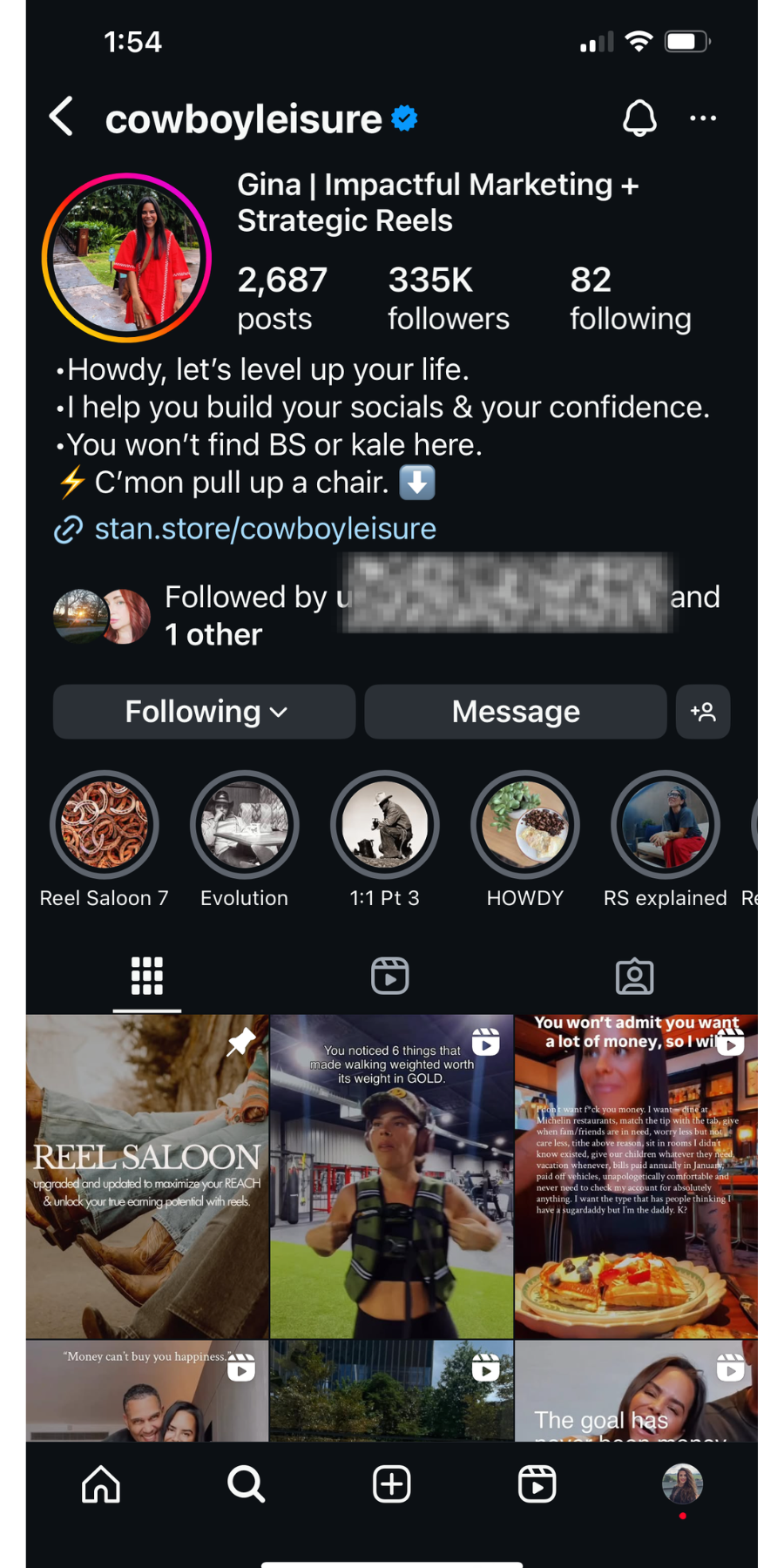
Gina went from poverty to making more in a month than she did an entire year at her 9-to-5 job by sharing her weight loss journey using a weighted vest. Now, she teaches others how to create lifestyle brands that make money through social media.
Relatedly, the global e-learning market is expected to reach $842.64 billion by the year 2030, but you don’t need to create complex courses to profit from it. Simple products such as Lightroom presets, Excel templates or PDF guides can generate substantial income.
The math for digital product sales is compelling: create once, sell infinitely, with very little ongoing costs other than processing and delivery fees. Your existing professional knowledge probably contains several digital products waiting to be packaged and sold.
3. Affiliate Marketing
If you don’t want to create your own product, you can leverage someone else’s. Curated affiliate stores earn commissions by recommending products without handling inventory or customer service.
Top affiliates in niches such as tech products or fitness equipment earn commissions between 5% to 50% on sales they generate through their content and recommendations. In our previous example of digital product sales, Gina made a killing by linking her favorite weighted vest in her Amazon storefront.
You don’t have to pitch small items, either. Some high-ticket digital products, such as an online course, offer substantial commissions because there isn’t a physical product being shipped to a customer. You can also find a high commission rate on cheaper physical products, though it’s less frequent.
Start by choosing a topic you genuinely understand and care about. Fake enthusiasm shows through immediately, while authentic passion translates into compelling content that actually drives sales. The camping enthusiast reviewing gear they actually use in Yellowstone will outsell the person writing generic product descriptions from their couch every single time.
Building an affiliate marketing business requires patience. Revenue typically builds slowly initially but can accelerate once Google (or TikTok or Instagram) recognizes your authority.
4. Dropshipping
Dropshipping is a way to connect customers with suppliers that ship directly to buyers. While profit margins typically range from 10% to 20%, the low barrier to entry lets you test products quickly across multiple niches without massive upfront investment.
Dropshipping success lies in picking the right products and suppliers. You also need to avoid oversaturated markets and instead look for products that solve specific problems for targeted audiences. For example, an entrepreneur can sell an ergonomic desk accessory by focusing on solutions for home office workers.
Quality control can be a major challenge with dropshipping, since you never touch the products. Vet suppliers carefully, order samples yourself and maintain strict communication standards. One bad supplier can destroy months of reputation-building through negative reviews and customer complaints.
5. Online Courses
Educational content sells consistently across all industries, with course creators charging anywhere from $27 to $5,000 per enrollment. Successful instructors can earn six to seven figures annually by teaching skills they’ve mastered in their professional lives.
The secret isn’t having credentials from prestigious universities. Students want practical, actionable knowledge from people who’ve achieved the results they desire. For example, the freelance graphic designer who’s teaching logo creation on Udemy and earns more from courses than from client work, or the real estate investor who’s showing property analysis techniques and generates passive income while sleeping.

Bryan Cohen has a simple 14-day ad challenge that funnels participating authors into his ad agency or high-ticket coaching.
Start small with a single, focused topic rather than creating comprehensive programs immediately. Test market demand with a simple PDF guide or short video series before investing months in full course development.
6. Subscription Boxes
Monthly subscription models create predictable revenue streams that businesses love and investors value—it’s all about that monthly recurring revenue, or MRR. Beauty boxes generally average $15 to $40 monthly, while specialty food subscriptions typically command $30 to $100-plus per delivery, depending on the level of curation and target market.
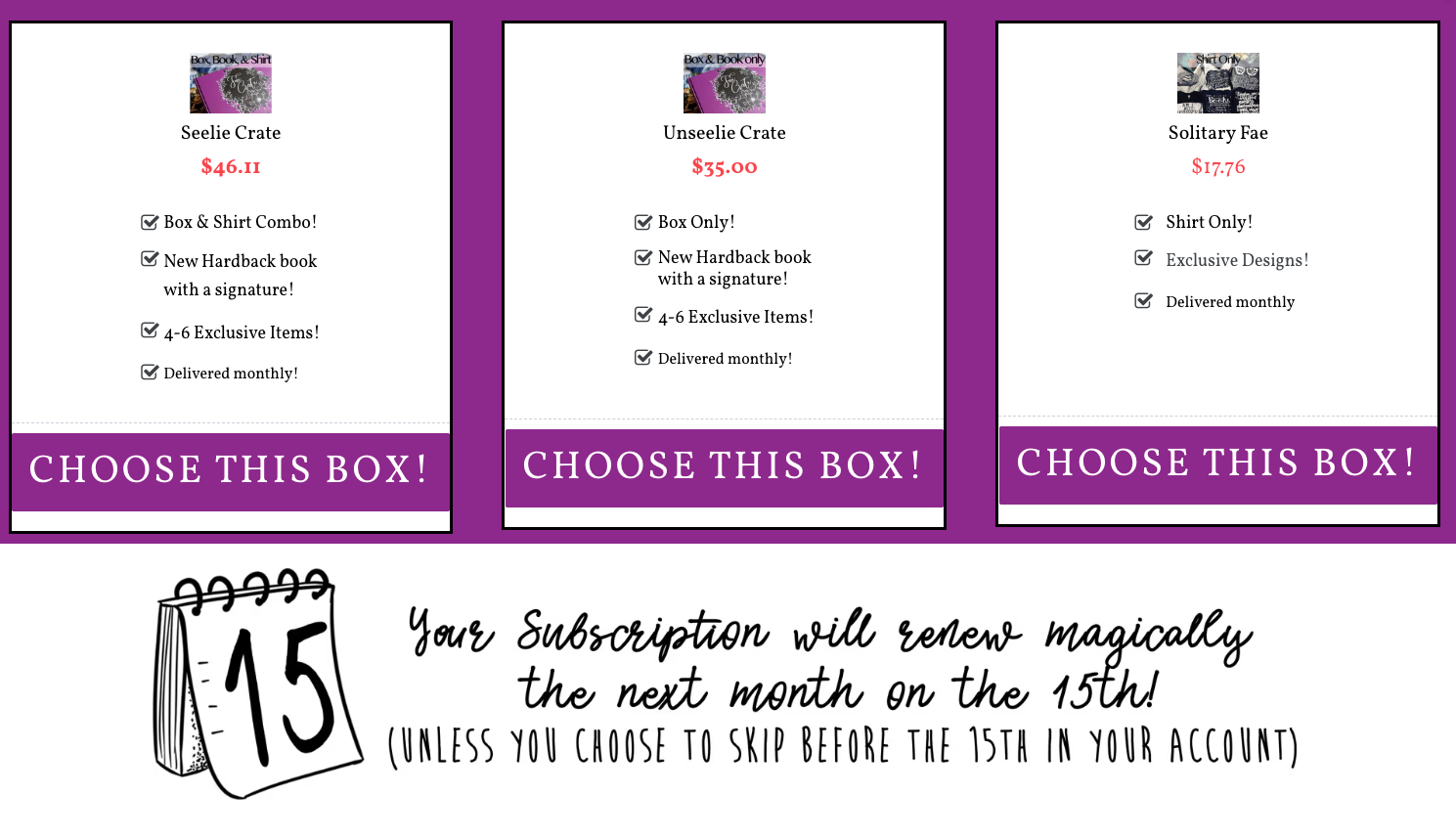
Fae Crate does print runs with commercial printers and partners with authors to come up with special edition books. Each shipment, readers receive a new signed book (or other things, depending on the tier they choose).
The subscription box model works because it combines convenience with the joy of discovery—customers pay for the surprise element and time savings rather than just the products themselves. For example, Fae Crate, a book subscription service, succeeds because readers enjoy the monthly excitement of receiving signed special editions of books and merch rather than having to research and seek them out on their own.
With subscription boxes, customer lifetime value can exceed thousands of dollars, depending on retention rates and pricing. The challenge lies in maintaining novelty and value perception month after month. Successful box companies constantly survey subscribers, rotate products and add exclusive items unavailable elsewhere.
7. Private Label Products
Manufacturing existing products under your own brand allows for higher margins than reselling other companies’ goods. Private label supplements, cosmetics and home goods can help you achieve healthy profit margins while building valuable brand equity.
Amazon’s private label success stories inspire many entrepreneurs, but the e-commerce giant isn’t your only option. Other brick-and-mortar stores, such as Walmart, Target and specialty retailers, all seek unique products from smaller suppliers. Try finding products where you can genuinely improve quality, design or functionality rather than just slapping your logo on generic items. Study customer reviews of existing products to identify common complaints and opportunities for improvement.
8. Handmade Crafts and Art
Artisanal products command premium pricing because mass production cannot replicate the human touch and story behind each piece. Handmade jewelry, pottery, woodworking and textiles often sell for 5 to 10 times material costs on platforms such as Etsy and at local craft fairs.

Silver Lining Ceramics does regular drops of their pottery mugs and jewelry boxes with signature, whimsical flourishes. These sell out in minutes despite the $1,000+ price tag.
The challenge for artisans lies in scaling beyond trading time for money. Successful craft businesses develop signature styles, create efficient production processes and build up brand recognition. The ceramist who develops a distinctive glazing technique can charge premium prices while teaching workshops and licensing designs for additional revenue streams.
As shown by e-commerce statistics, social media is also an important, necessary evil for handmade businesses. Behind-the-scenes content showing your creation process builds emotional connections with customers who value supporting individual artists over mass retailers.
9. Web Design
Businesses need websites, which creates consistent demand for design and development services. Although they often charge by project, freelance web designers typically charge $30 to $200 per hour, while agencies can command $5,000 to $100,000 per project, depending on complexity and client size.
The market rewards specialization over generalization. For example, the designer who focuses exclusively on restaurants understands industry-specific needs such as online ordering integration and food photography requirements. This specialization allows for premium pricing and faster project completion through refined processes.
Pro Tip
Building recurring revenue through maintenance contracts and e-commerce hosting services creates more predictable income than project-based work alone. Many successful web professionals earn a nice chunk of their revenue from ongoing support rather than initial development projects.
11. Copywriting and Content Writing
Businesses constantly need written content for websites, marketing materials and communications. Professional copywriters commonly charge $0.10 to $1-plus per word or $20 to $50 per hour, with rates varying based on expertise and proven results.
Specializing in certain industries or content types can lead to higher rates. The copywriter who focuses exclusively on SaaS companies and understands their unique challenges can charge premium rates. The email marketing specialist who can prove their campaigns generate specific revenue increases can become indispensable to clients.
Building a portfolio of successful campaigns and measurable results differentiates professional copywriters from the flood of general content writers. Track metrics such as open rates, click-through rates and conversion percentages to demonstrate your value to potential clients.
12. Virtual Assistant
Remote administrative support helps businesses operate more efficiently without the overhead of full-time employees. Virtual assistants (VAs) typically charge between $12 to $35 per hour, depending on specialization, experience level and the complexity of tasks they handle.
The most successful VAs develop specialized skills rather than offering generic administrative support. The VA who masters specific software platforms such as WordPress or MailerLite can charge premium rates. The assistant who specializes in podcast production, with skills in areas such as guest booking and episode editing, becomes valuable to content creators.
Building systems and processes allows for higher productivity and better client results. Document your workflows, create templates and develop expertise in tools that save time and increase accuracy.
Pro Tip
If you want to charge premium prices, focus on honing your skills until you’re at a level where you’re more of a business manager than a VA. That means taking real ownership, solving problems before your client even sees them, improving systems and offering insight when something isn’t working. People pay more when they trust you to handle the big picture rather than just checking off a to-do list.
Featured Partners
Starting Price
$17 per month
E-commerce (low-priced plan)
Yes

Starting Price
$16 per month

Starting Price
$29 per month
Active Deal
3 days free + First Month for $1
Standout Features
Drag & drop editor, AI Tools, Customize with 8k+ apps, Sell everywhere

13. Online Marketplace Creation
Build platforms connecting buyers and sellers while earning commissions on transactions. Virtual marketplaces often charge transaction fees of 5% to 10% and add fees for payment processing and other services.
Network effects create competitive advantages once a marketplace reaches critical mass. More buyers attract more sellers, which attracts more buyers, which creates self-reinforcing growth cycles that become difficult for competitors to break.
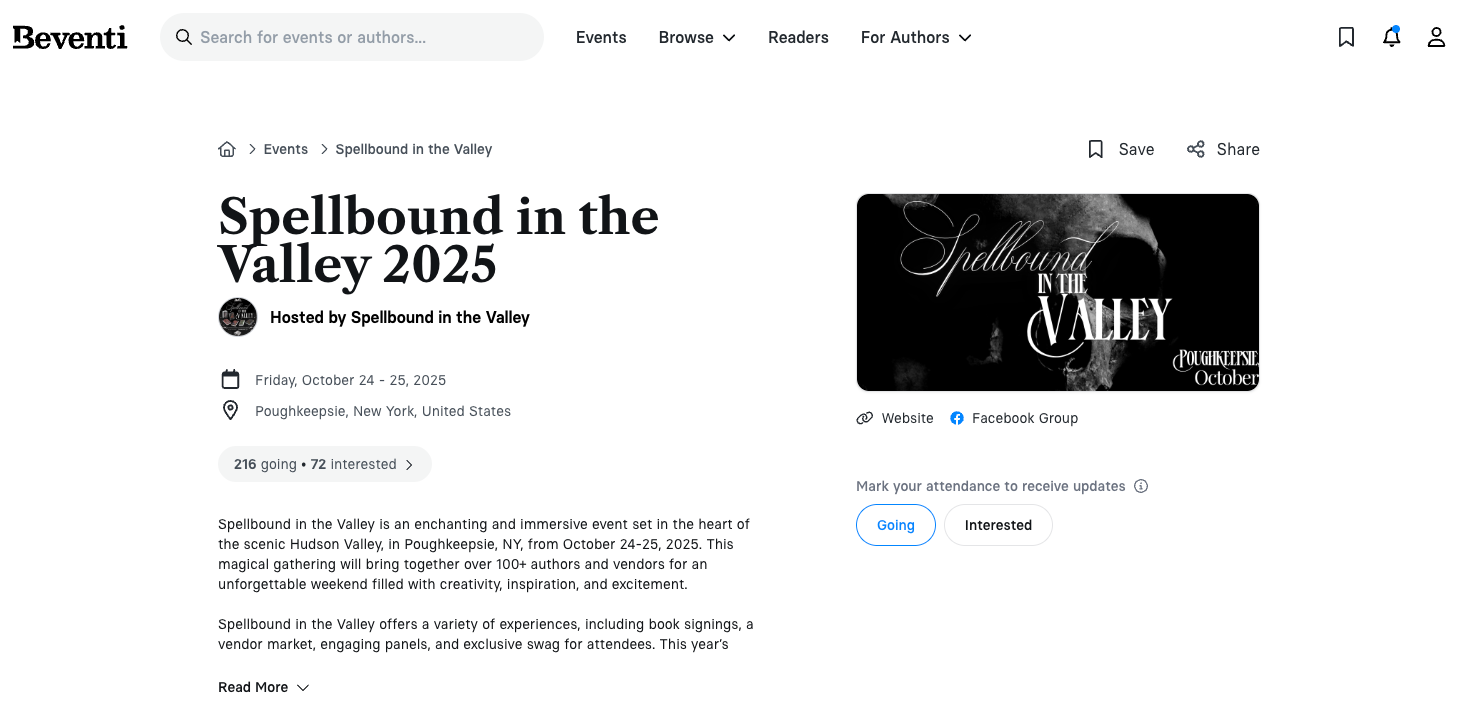
Beventi is an author-reader marketplace built specifically for the book community. Authors can list preorder forms, link them to events they’re attending, and sell signed books or merch directly to readers. Readers can follow favorite authors or events, get notified of new drops, and place orders with just a few clicks.
The challenge lies in building both sides of the marketplace simultaneously. Most successful marketplaces start by focusing intensely on one user type before expanding to balance supply and demand.
The idea is to find a need in a specific niche and fill the gap. For example, Eden Books launched as an alternative place for authors to sell content other than Amazon, which often places unfair restrictions on indie authors. Eden Books allows books with material that would not be allowed by Amazon, Kobo or other retailers with strict content restrictions.
14. Buy-to-Flip Arbitrage
This model focuses on sourcing underpriced goods and selling them at market value. Unlike dropshipping or private labeling, you touch the inventory yourself, often shopping at discount racks, estate sales, liquidation auctions or thrift stores.
For example, a seller might clear out shelves at a closing department store, then list those products on Amazon using Fulfilled by Amazon (FBA). Or they might track trending collectibles, bid on undervalued items through eBay and then resell them through niche Facebook groups. Profit margins depend on sourcing skill and product choice, but experienced flippers can double or triple their initial spend. This model rewards hustle and research more than creative output.
15. Custom Commission Portals
Rather than building a storefront filled with premade items, this model centers on offering personalized products built to order. Customers submit their preferences or details through a portal. You fulfill the request directly and often build a waitlist when demand exceeds capacity.
This is common among artists, 3D modelers, tattoo designers, pet portrait creators and handcrafted furniture makers. Buyers don’t just want the item. They want your attention on their ideas. The result feels more personal than mass production or AI slop and often leads to word-of-mouth referrals. With the right intake process, this business model scales without requiring a full product catalog.