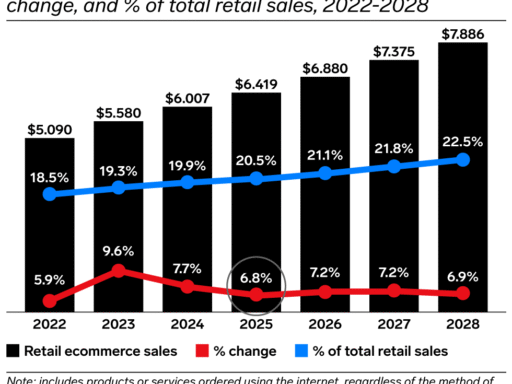



Cloud platform AI’s market value will likely exceed $1.3 trillion by 2032. This makes the platform choice crucial for online retailers. Mercado Libre, Latin America’s largest ecommerce platform, shows what’s possible – processing 40 purchases per second with 53% of shipments delivered within 24 hours.
Azure AI and AWS AI stand as two dominant forces in the digital world. AWS leads with 30% market share to Azure’s 21%, though both platforms offer powerful AI solutions for digital commerce. A retailer’s recent flash sale achieved a 16.7% conversion rate without payment processing issues. This proves these platforms’ capabilities effectively.
The cloud giants each take unique approaches to commerce AI platforms. Azure’s unified ecosystem combines Foundry (including OpenAI integration), Machine Learning, and Content Safety. AWS provides Bedrock for generative AI and SageMaker for detailed MLOps. Multi-cloud organizations need to understand these differences to select the right ecommerce cloud solution.
This piece will get into how these AI platforms perform in real-life online store environments. We’ll compare everything from machine learning tools to generative AI capabilities. Rather than picking a winner, we’ll help you find which platform lines up with your commerce needs based on implementation results. Azure and AWS AI solutions continue to reshape the digital commerce scene in 2025.
Key Takeaways
Here are the essential insights from comparing Azure and AWS AI platforms for ecommerce success:
- Azure excels for Microsoft-integrated businesses – Seamless Office 365 integration and hybrid cloud capabilities make it ideal for enterprises already using the Microsoft stack.
- AWS dominates in scalability and customization – Superior global footprint with specialized AI hardware delivers better performance for high-volume marketplaces processing 100k+ transactions/second.
- Real results prove both platforms work – Mercado Libre achieved 25% higher click-through rates with AWS, while L’Oréal built unified D2C experiences using Azure OpenAI.
- Security approaches differ significantly – Azure offers 100+ compliance certifications for regulated industries, while AWS provides flexible integration through Lambda and S3 services.
- Choose based on strategic fit, not features – Your existing infrastructure, technical expertise, and compliance requirements matter more than raw capabilities when selecting between these powerful platforms.
Azure AI Capabilities for Ecommerce
Microsoft’s AI tools are built to help ecommerce businesses boost their digital operations. Their tools offer solutions to retail challenges through a complete ecosystem of specialized services.
Azure Foundry: Unified workspace for AI development
Azure Machine Learning: End-to-end ML lifecycle
Azure Content Safety: Moderation and compliance tools
Azure AI Content Safety is vital for online stores that handle user-generated content. It protects by detecting harmful text and images in applications and services. Businesses can set severity thresholds across four harm categories (hate, sexual, violence, and self-harm) to match their brand safety needs. On top of that, retailers can build custom content filters and train them with specific examples. These tools protect brands through AI models and customizable blocklists that keep up with new content trends.
Azure OpenAI: GPT-4 and DALL·E for ecommerce content
Target Segments: Retail, fashion, and D2C brands
Many retail segments have found success with Azure AI technologies. ASOS, a global fashion retailer, built a personalized virtual stylist with Azure OpenAI Service and AI prompt flow to help customers find new looks. They created a prototype in weeks that selects items based on customer priorities and the latest fashion trends. L’Oréal used Azure AI to create unified direct-to-consumer experiences across its brands. The platform works especially well for retailers, fashion companies, and D2C brands that want to create individual-specific customer interactions while optimizing operations.
AWS AI Capabilities for Ecommerce
AWS provides a complete AI toolkit that helps ecommerce businesses tackle their biggest retail challenges through four key pillars. Each part brings unique capabilities to different areas of digital commerce.
Amazon Bedrock: Generative AI with Claude, Titan, and Llama
Amazon SageMaker: MLOps and model deployment at scale
Amazon Rekognition and Textract: Visual and document AI
Amazon Personalize: Real-time product recommendations
Amazon Personalize creates AI-powered recommendation engines that learn from billions of interactions across millions of items. The system gives immediate, individual-specific recommendations that adapt as customer behavior changes, unlike basic rules-based systems. Working together with Amazon Bedrock, Personalize helps retailers create targeted recommendations and rich experiences through generative AI. This combination spots market trends and suggests brands that increase basket size through matching product suggestions.
Target Segments: Marketplaces, logistics, and global retailers
AWS AI services work best with marketplaces, logistics operations, and global retailers of all sizes. The platform handles unexpected retail traffic by scaling resources automatically. This lets stores manage flash sales and seasonal peaks effectively. AWS created smart AI solutions that change how supply chains work for logistics companies. Global retailers get lightning-fast response times worldwide, with companies like Zalando processing up to 100,000 transactions per second using AWS CloudFront.
Real-World Results from Top Online Stores
Major e-commerce companies report remarkable results from cloud AI platforms. Their ground experience shows how these platforms perform under pressure and real needs.
Mercado Libre: 40 purchases/sec with AWS AI
L’Oréal: Unified D2C experience using Azure AI
The beauty giant launched an AI agent called Beauty Genius with Azure OpenAI Service. The company chose this platform for its robust LLMs, including GPT-4o and Ada. The tech team started with a pay-as-you-go model and ended up using a hybrid setup. They combined fixed Provisioned Throughput Units (PTUs) with automatic overflow to pay-as-you-go. This kept maximum latency under 5 seconds even during peak loads. The system protects data by keeping all interactions private in L’Oréal’s dedicated environment.
Zalando: 100k transactions/sec with AWS CloudFront
The German fashion retailer moved its media management to AWS CloudFront to handle rapid growth. The move helped Zalando achieve an impressive 99.5% cache hit ratios and deliver 5 billion images daily. The platform handles peak traffic that exceeds 100,000 requests per second. The team completed the four-month migration by moving more than 20 websites and apps with 26.93 PB of data. They added CloudFront Functions later to make the configuration smoother and enable reliable deployments and reversions.
Stanley Black & Decker: Headless B2B commerce on Azure
This tool-making company with centuries of history updated its B2B commerce by implementing the VTEX platform on Azure. The solution equipped sales representatives with dashboards that show customers’ buying priorities. Orlando Gadea Ros, Business Innovation Director, says,
“If we want to keep on being the best at what we do, we need to constantly look for ways to disrupt ourselves”.
Sales reps can now process hundreds of orders at once instead of entering them manually.
Jet.com: Auto-scaling ecommerce with Azure App Services
Head-to-Head Comparison: Azure AI vs AWS AI
A closer look at Azure and AWS shows clear differences in their AI offerings for ecommerce applications. AWS currently holds 30% market share compared to Azure’s 21%. Both platforms offer powerful capabilities in key areas.
ML Tools: Azure ML vs Amazon SageMaker
Azure Machine Learning stands out with its easy-to-use drag-and-drop interface and pre-built templates. Teams with limited ML expertise find it particularly helpful. Amazon SageMaker shines with its customization options and works naturally in AWS-native environments. The main difference comes from their approach – Azure ML focuses on ease of use with better AutoML features, while SageMaker provides more comprehensive MLOps capabilities for advanced deployment at scale.
Generative AI: Azure OpenAI vs Amazon Bedrock
Prebuilt APIs: Azure Cognitive Services vs AWS AI APIs
Integration: Microsoft 365 vs AWS Lambda & S3
Azure AI services work better with Microsoft’s ecosystem, creating a smooth experience for Office 365 users. AWS offers more flexible integration choices through Lambda and S3, though it needs extra setup. Companies using multiple clouds can connect Amazon S3 with Microsoft Teams using webhooks and Lambda functions.
Security & Compliance: Azure Security Center vs AWS GuardDuty
Each platform handles enterprise security differently. Azure Security Center provides strong encryption and identity management through Active Directory. AWS uses GuardDuty for threat detection and Macie for ML-powered data protection. Both platforms support HIPAA, GDPR, and other important standards, but Azure has an advantage in hybrid cloud security integration.
Pricing, Scalability, and Strategic Fit
The choice between cloud AI platforms ended up being about money and strategy, beyond just technical features.
Pricing Models: Pay-as-you-go vs Reserved Instances
Azure and AWS both give you flexible pricing options with key differences. Azure uses pay-as-you-go pricing for most services, while Azure Reservations give discounts for 1-3 year commitments. Companies that already use Microsoft products can save money through the Azure Hybrid Benefit. This lets them use their existing Windows Server and SQL Server licenses to reduce cloud costs by up to 85%. Azure lets you see all costs for free through the Azure Portal. AWS, on the other hand, charges extra to see detailed costs through its Cost Explorer.
Both platforms have reliable auto-scaling features, but they take different approaches substantially. Azure shines with hybrid setups through services like Azure Arc that stretch management to on-premises systems. AWS takes a different path with better raw scalability. It offers special AI hardware like Inferentia/Trainium chips that optimize inference and training performance. Global retailers prefer AWS because it covers more regions, which helps run edge AI with low latency.
Ecosystem Fit: Microsoft Stack vs Open Source Flexibility
Strategic Importance: Compliance-heavy vs Innovation-first orgs
Comparison Table
| Market Share | 21% | 30% |
|
ML Platform |
Azure Machine Learning with accessible interface and pre-built templates |
Amazon SageMaker with deeper customization and strong MLOps features |
|
Generative AI |
Azure OpenAI with GPT-4, Codex, and DALL-E models |
Amazon Bedrock with Claude, Llama, and Titan models |
|
Security Features |
Azure Security Center, Active Directory integration, 34,000+ security engineers |
GuardDuty, Macie for ML-powered protection, 88% harmful content blocking |
|
Integration |
Uninterrupted Microsoft 365 and Power Platform integration |
Flexible integration with Lambda and S3 services |
|
Target Segments |
Retail, fashion, and D2C brands |
Marketplaces, logistics, and global retailers |
|
Pricing Model |
Pay-as-you-go with Azure Reservations, Hybrid Benefit up to 85% savings |
Pay-as-you-go with Reserved Instances |
|
Scalability |
Hybrid cloud deployment through Azure Arc |
Global footprint with specialized AI hardware (Inferentia/Trainium) |
|
Compliance |
100+ compliance certifications |
HIPAA, GDPR support (specific number not mentioned) |
|
Key Strength |
Enterprise-grade security and Microsoft’s ecosystem integration |
Broader service selection and open-source flexibility |
Conclusion
Azure and AWS provide resilient AI ecosystems that deliver real results for ecommerce businesses worldwide. Our analysis shows how these platforms meet different priorities while achieving impressive performance metrics.
Your organization’s specific requirements will determine the choice between Azure and AWS AI. There’s no absolute winner here. Azure works best for businesses already using Microsoft’s ecosystem. It connects smoothly with Microsoft 365 and has better hybrid cloud features. Companies like L’Oréal and Stanley Black & Decker show Azure’s success in unified D2C experiences and modern B2B commerce.
AWS shines with its wider service selection, deeper customization options, and better raw scalability. Mercado Libre saw a 25% increase in click-through rates. Zalando can handle 100,000 transactions per second. These examples show AWS’s strength for high-volume marketplaces and global retailers.
Security and compliance needs affect this decision by a lot. Azure leads with over 100 compliance certifications, which makes it valuable especially when you have heavily regulated industries. AWS offers easy integration through Lambda and S3 services, which appeals to organizations that want to adopt breakthroughs and open-source technologies.
Both platforms are improving their AI capabilities fast. Microsoft’s exclusive partnership with OpenAI gives Azure special access to innovative technology like GPT-4. Amazon’s diverse model catalog through Bedrock offers specialized options for specific use cases.
You should get a full picture of your existing cloud infrastructure, technical expertise, compliance requirements, and growth projections before deciding. Many organizations use both platforms, taking advantage of their strengths for different parts of their ecommerce operations.
The cloud AI revolution for ecommerce has just started. Whatever platform you pick, using these powerful AI capabilities will, without doubt, revolutionize how you connect with customers, optimize operations, and stimulate growth in the competitive digital commerce world.
Frequently Asked Questions (FAQ)
Which cloud platform offers better AI capabilities for ecommerce in 2025?
Both Azure and AWS provide robust AI solutions for ecommerce, with Azure excelling in Microsoft ecosystem integration and AWS offering superior scalability. The best choice depends on your specific business needs and existing infrastructure.
How do Azure and AWS compare in terms of market share for cloud AI?
As of 2025, AWS leads with approximately 30% market share, while Azure holds about 21%. However, Azure has been growing rapidly and may close this gap in certain sectors.
What are the key differences in machine learning tools between Azure and AWS?
Azure Machine Learning focuses on usability with drag-and-drop interfaces and strong AutoML capabilities. Amazon SageMaker offers deeper customization options and more robust MLOps features for advanced deployments.
How do Azure and AWS handle security and compliance for AI applications?
Azure provides over 100 compliance certifications and integrates tightly with Active Directory. AWS offers services like GuardDuty and Macie for threat detection and data protection. Both platforms support major standards like HIPAA and GDPR.
Can you provide examples of real-world ecommerce results using these platforms?
Mercado Libre achieved a 25% increase in click-through rates using AWS AI for ad generation. L’Oréal leveraged Azure OpenAI to create a unified direct-to-consumer experience with its Beauty Genius AI agent. Zalando processes up to 100,000 transactions per second using AWS CloudFront.