


Published on
February 2, 2026

The online shopping market in South Korea has broken its own record, with total sales in December 2025 reaching a record high of 24.29 trillion won (US$16.68 billion). This is a 6.2% increase from the previous year, marking a new milestone in the online shopping market in South Korea. The main reason for this growth is the increase in the sales of Tesla cars and the demand for food services.
Record-Breaking Online Shopping Transactions
December 2025 saw South Korea’s online shopping market achieve its highest monthly sales on record, surpassing previous levels since the Ministry of Data and Statistics began tracking the data in 2017. The 24.29 trillion won figure marked a notable year-on-year increase of 1.42 trillion won. This growth highlights the continued expansion of South Korea’s e-commerce sector, fueled by a combination of automotive sales, food services, and mobile device-based shopping.
The data reveals a trend toward convenience-driven consumer habits, with mobile shopping continuing to dominate. These figures also reflect the impact of global trends, including the rise of electric vehicles (EVs) and the increasing reliance on digital platforms for food delivery, both of which have been accelerated in recent years.
Surge in Automobile Sales, Especially Tesla Models
One of the key factors driving the increase in South Korea’s online shopping market in December was a significant surge in automobile sales. Spending on vehicles and auto accessories rose by a remarkable 66.4% compared to the previous year, driven largely by strong sales of Tesla models through online ordering systems. Tesla’s strong performance highlights the growing interest in electric vehicles in South Korea, a country that has seen a growing push toward sustainable transportation options.
Advertisement
Advertisement
The rise in Tesla sales mirrors global trends toward green technology and sustainable living. Tesla’s direct-to-consumer online sales model has proven highly effective in attracting South Korean buyers who prefer the convenience of purchasing vehicles online. As the demand for electric vehicles continues to rise, this trend is expected to continue impacting the overall shopping landscape in South Korea, particularly in the automotive sector.
For the travel and tourism industry, the rise in interest in electric vehicles may signal growing interest in sustainable travel options. As more consumers shift toward EVs, South Korea’s travel industry may witness an increase in eco-conscious tourism, with electric cars becoming a more popular choice for both local and international visitors seeking greener travel solutions.
Advertisement
Advertisement
Food Services and Delivery Platforms Drive Growth
Food services also saw a significant boost in online shopping, with sales climbing 9.1% year-on-year in December. This growth can be attributed to the increasing popularity of food delivery platforms, which have seen strong promotional campaigns throughout the year. The demand for convenient food delivery options has grown rapidly in South Korea, as consumers continue to favor home delivery services for meals, snacks, and beverages.
In addition to food delivery, the overall food and beverage sector also experienced a 10.2% rise in sales. This reflects South Korea’s evolving culinary culture and the increasing integration of digital services into everyday dining experiences. Many tourists visiting South Korea also contribute to this sector, as food experiences play an important role in the country’s tourism appeal.
For the tourism industry, this trend presents opportunities to enhance the visitor experience. As tourists increasingly use food delivery services while traveling, businesses in the hospitality industry can capitalize on this demand by offering digital dining services, creating a seamless experience for international visitors. Tour operators and hotels can integrate food delivery platforms into their services, providing guests with easier access to local cuisines and international options during their stay.
Mobile Shopping Continues to Dominate
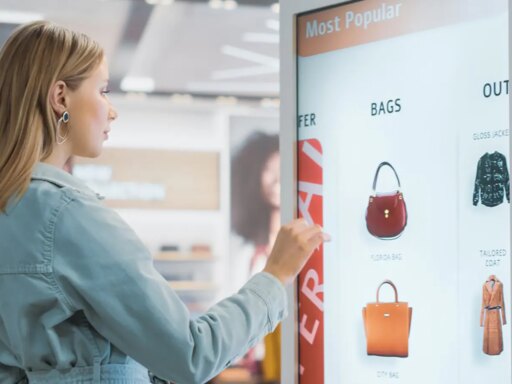
Mobile-based shopping remains the dominant force in South Korea’s e-commerce sector, accounting for 77.4% of total online sales in December 2025. Purchases made through smartphones, tablets, and other mobile devices increased by 6.2% compared to the previous year, reaching a total of 18.8 trillion won. This continued growth underscores South Korea’s mobile-first consumer culture, where digital transactions are increasingly made on the go.
The rise of mobile shopping is particularly relevant for the tourism sector, as tourists often rely on their smartphones for shopping, booking activities, and accessing local services during their travels. For businesses targeting international visitors, ensuring that their websites and platforms are optimized for mobile devices is essential to attracting and retaining customers. Tourists, especially those from regions like Europe, the Americas, and Southeast Asia, tend to prioritize mobile-friendly services during their trips, making this an important area for investment in the tourism and retail sectors.
Impact on South Korea’s Travel and Tourism Sector
The rise in online shopping activity, particularly in sectors like automobiles, food services, and mobile commerce, is having a significant impact on South Korea’s travel and tourism landscape. The growth in consumer spending, combined with a strong interest in sustainable travel options, creates opportunities for the tourism industry to adapt and cater to changing consumer preferences.
For travelers visiting South Korea, this period of economic growth presents an opportunity to explore the country through new and innovative means. With electric vehicles becoming more accessible, tourists can opt for eco-friendly transportation options, contributing to South Korea’s push toward sustainable tourism. Similarly, the rise of mobile-based shopping and digital food services allows travelers to experience South Korea’s vibrant culture with added convenience, making it easier than ever to explore the country’s culinary and retail offerings.
As online shopping continues to expand, the tourism sector can also expect more integration with e-commerce platforms. From booking tours and experiences to purchasing local goods and souvenirs, tourists can seamlessly engage with South Korea’s thriving e-commerce market, enhancing their overall travel experience.
A Strong Future for South Korea’s Online Shopping and Tourism
The record-breaking performance of South Korea’s online shopping sector in December 2025, driven by strong automotive sales, food services, and mobile commerce, underscores the continued strength of the country’s e-commerce landscape. For the tourism industry, this growth presents opportunities to offer more sustainable travel options, integrate digital services into the visitor experience, and cater to the increasing demand for convenience.