


Why Is Off-Page SEO Important?
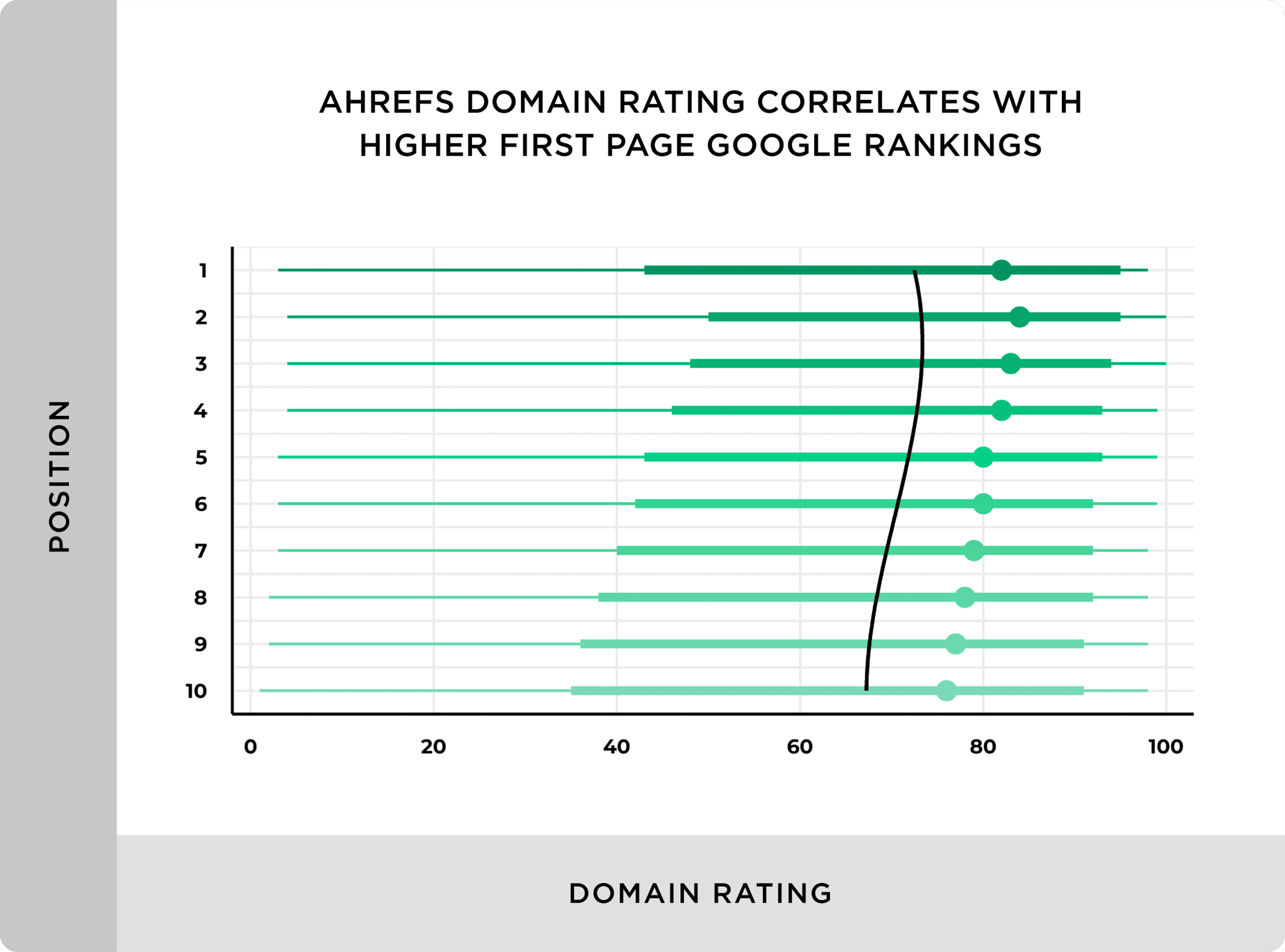
Backlinks and other off-site signals still form the foundation of Google’s algorithm.
In fact, our 2020 search engine ranking factors study found a clear correlation between total backlinks and Google rankings.
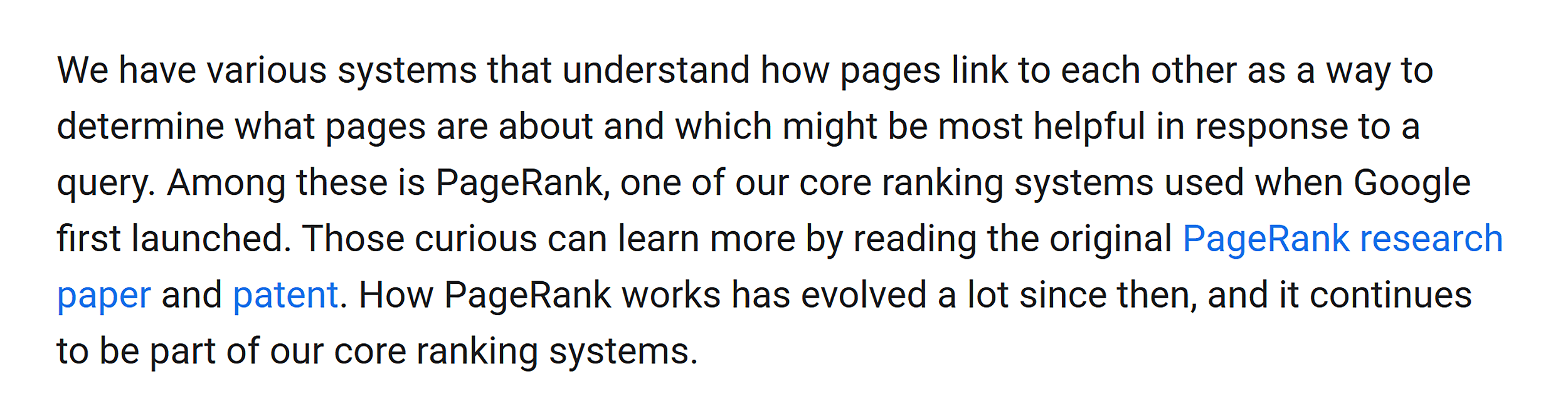
On its site, Google says PageRank is part of its core ranking systems.
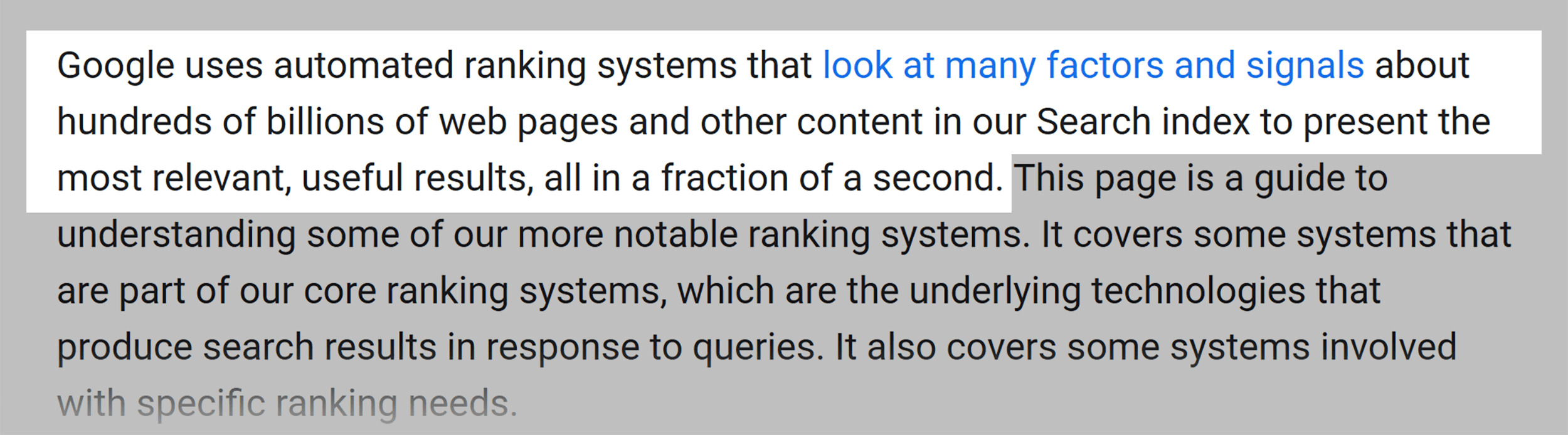
That said: links are only one part of off-page SEO.
Google states that they use other off-site SEO signals to size up your website.
For example, Google’s Quality Rater Guidelines emphasize a site’s off-site reputation to figure out whether or not that site can be trusted.
(They call this “Reputation Research.”)
“Reputation Research” includes looking at online reviews:
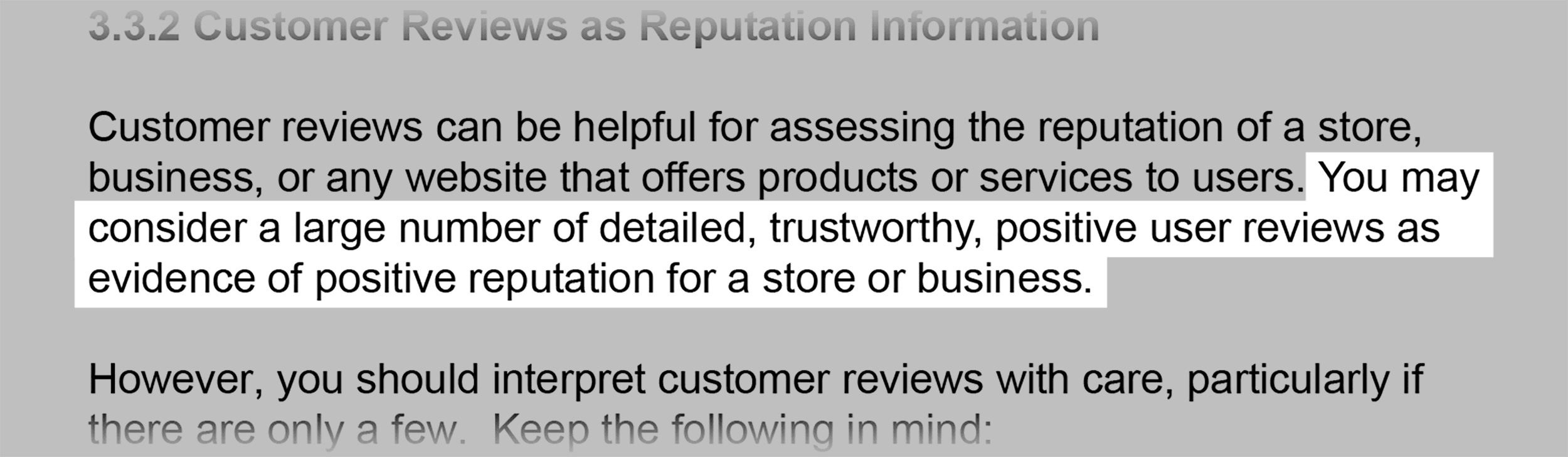
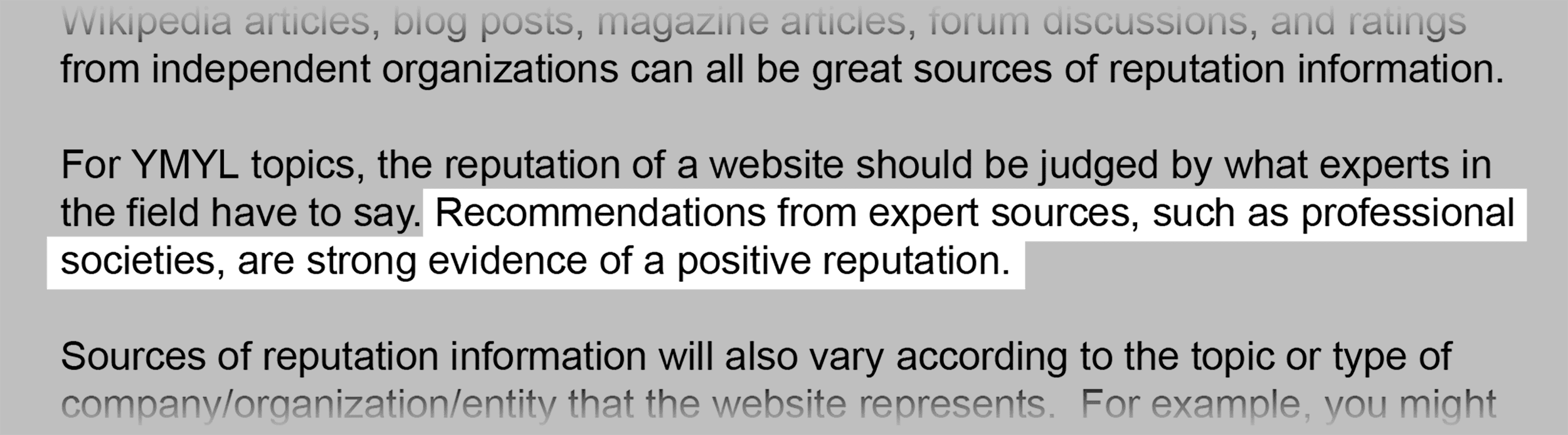
Recommendations from experts:
And mentions on authority news sites and Wikipedia.
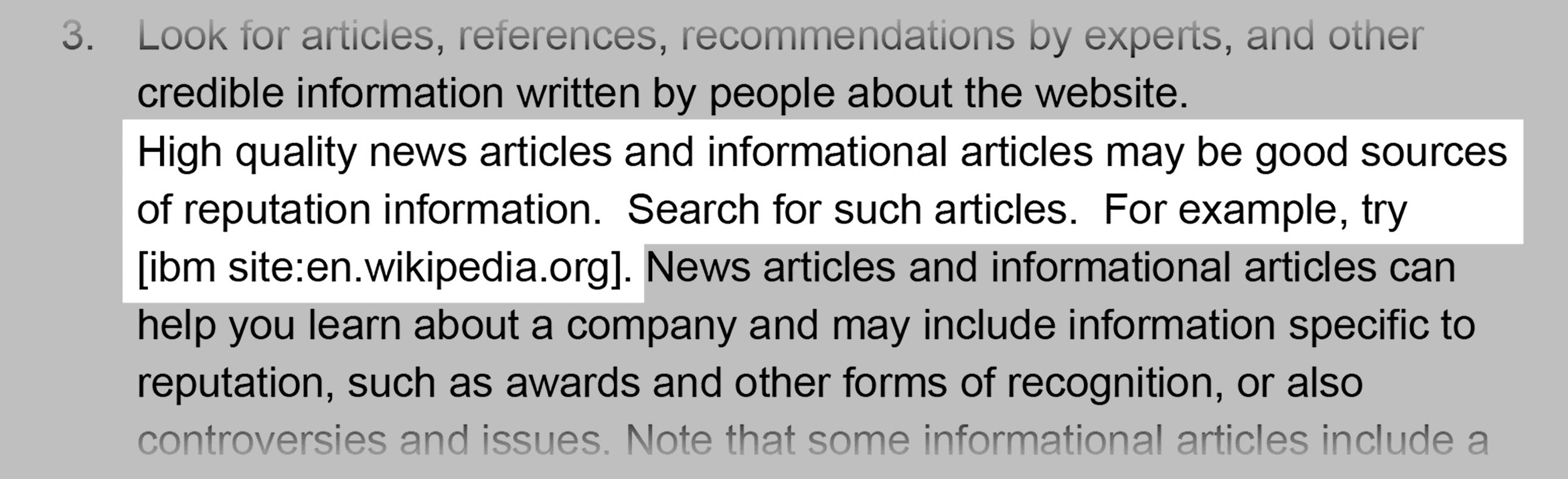
Google’s Quality Raters are told to look beyond what websites claim about themselves and instead find what others say about them.
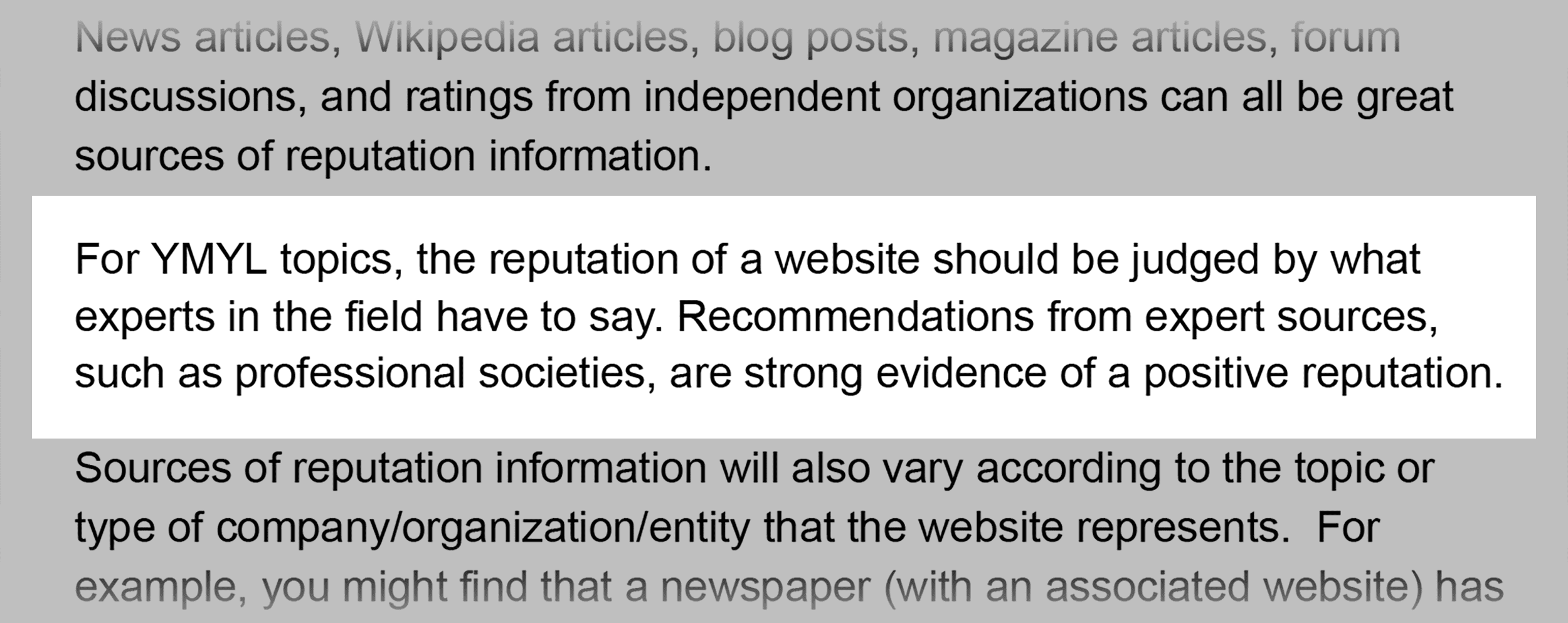
The guidelines state that, especially for Your Money Your Life (YMYL) topics, reputation information should come from expert sources.
AI SEO is greatly impacted by off-page SEO, as well. LLMs want to get third-party validation for its answers and recommendations.
That’s why publications are so prominently featured in LLM citations. According to Semrush’s AI Visibility Index [December 2025], the Top 10 ChatGPT sources included Wikipedia, Forbes, NerdWallet, Bankrate, TechRadar, Tom’s Guide, and CNBC.
Earning brand mentions on relevant and authoritative industry publications is critical to appearing in LLMs.
The bottom line? Links and brand mentions are critical off-page SEO signals.
I’ll cover links and the other off-site factors you need to know about in the rest of this guide.
But for now, it’s time to learn about…