
Exclusive boutiques, elegant flagship stores have long been the homes of luxury fashion, and for many years, the high-end shopping experience was something that took place in physical spaces designed to showcase collections that represented the utmost in quality and craftsmanship.
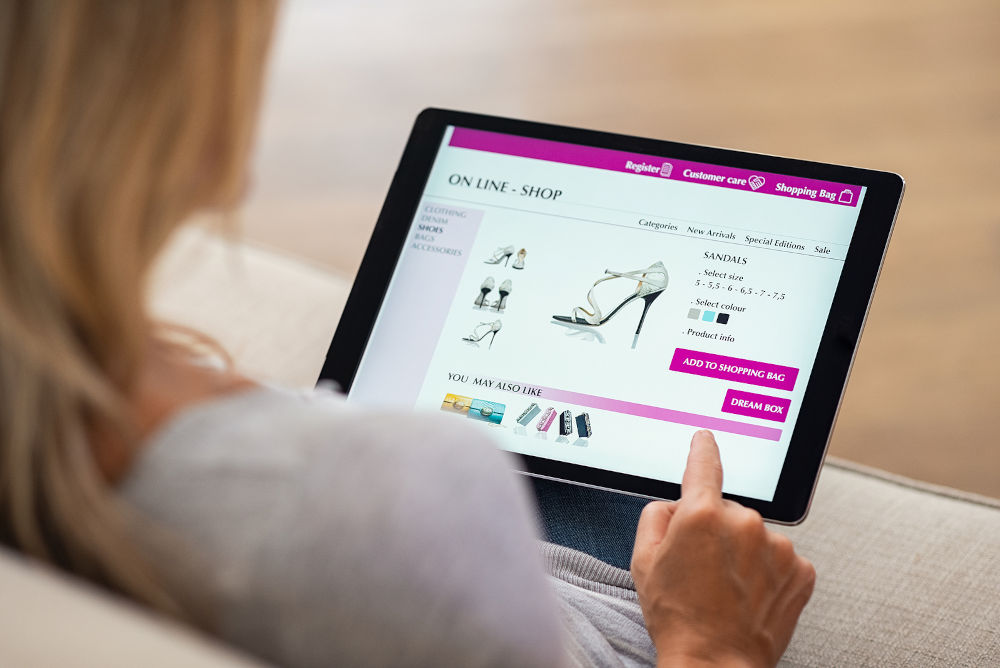
One of the hallmarks of shopping for luxury fashion has always been highly-personalised service, with each client flawlessly catered to according to their unique tastes and preferences and made to feel like a million dollars by the time they’re ready to leave. It’s something that, for a long time, online luxury fashion platforms have struggled to replicate, but thanks to recent advancements in technology, that’s all changing – and in 2025, digital shopping experiences have been elevated to the same refined levels of traditional in-house shopping.
The digital revolution has transformed the landscape of luxury fashion, which in turn has opened up new avenues for consumers, but it has also challenged brands to rethink how they present that exclusive image in an increasingly inter-connected world.
The rise of online luxury shopping
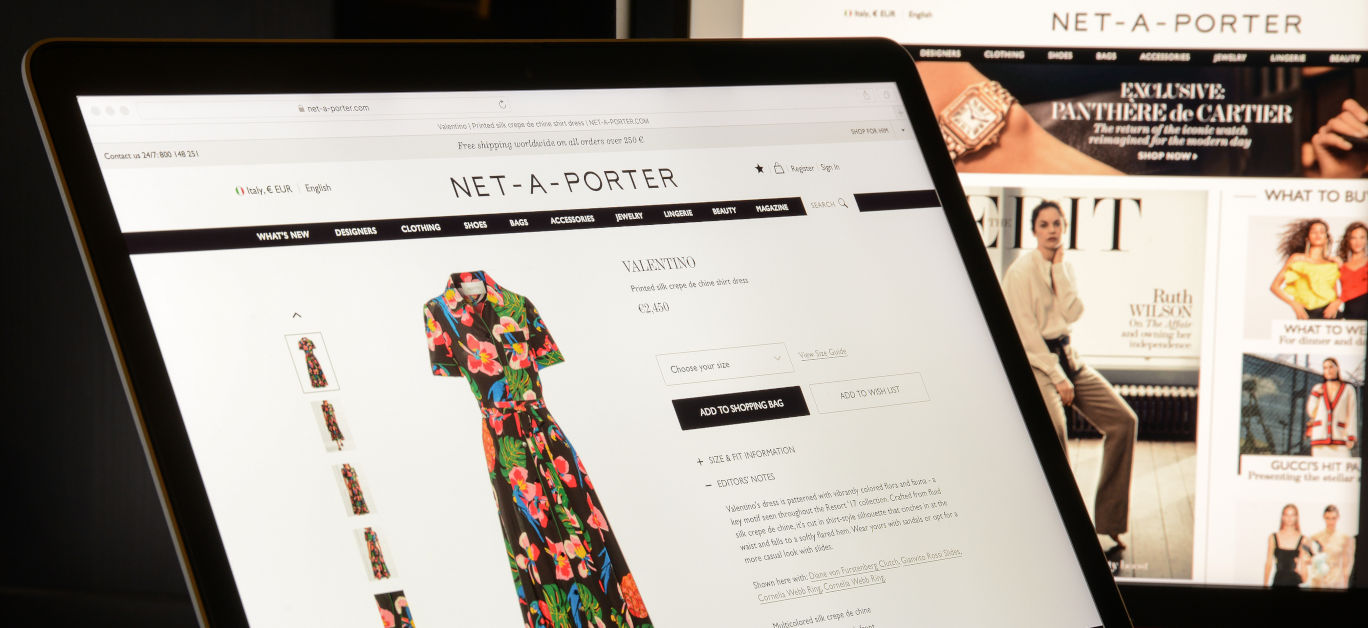
It wasn’t so long ago that the concept of shopping for luxury online simply didn’t exist, with discerning customers deeming it essential to see and touch products in person before making a purchase. But the growth of e-commerce growth and the advance of digital technology along with it has changed the game entirely, with the emergence of key players like Net-a-Porter, Farfetch, and Mytheresa proving that luxury does indeed have a place in the online space – and a growing one, at that. Offering curated collections, swift shipping and five-star service, they paved the way for individual fashion houses to create their own online presences and, today, they are the go-to for luxury consumers seeking fabulous fashion, fast.
The trend continued to grow during the global COVID-19 pandemic as consumer behaviour underwent a dramatic shift. Those who formerly favoured visiting bricks-and-mortar boutiques found, at times, that this was no longer an option – and by the time it was again, they realised that the convenience of online shopping offered many advantages that led to them changing the way they shopped permanently.
What was thought to be a short-term shift has in fact proved that it’s here to stay and today, online sales account for a large proportion of sales within the global luxury fashion market.
Redefining exclusivity in a digital age
Luxury has always been about exclusivity, but what does that mean in the age of the Internet? Brands and platforms are coming up with myriad out-of-the-box solutions, ranging from limited edition drops and online exclusives to entice customers, to virtual waiting rooms that offer the chance to get first access to the latest new launches.
Online tools today also allow for the customisation of products – from monogrammed handbags to personalised sneakers, adding an extra touch of exclusivity to this convenient way to shop.
Strategies like these have helped luxury fashion to maintain its covetability by remaining always just slightly out of reach for the masses; after all, one of the major appeals of luxury products to an affluent audience is the idea of having something that others do not, and brands have now discovered how to speak more effectively to this desire in the online space.
Enhanced by technology
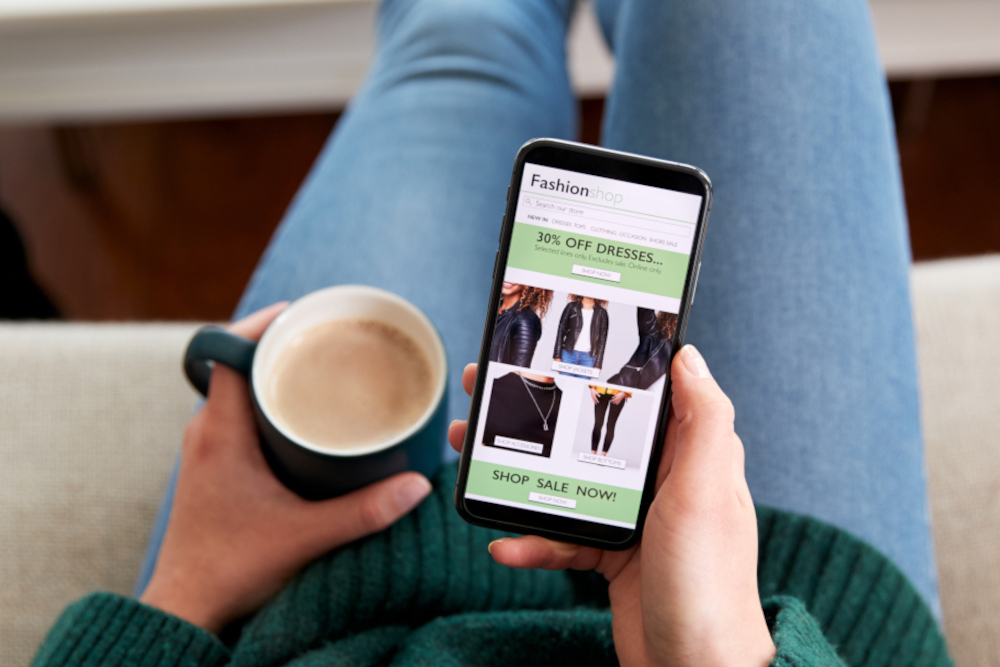
Technology is transforming how shoppers engage with luxury fashion online, with a raft of cutting-edge innovations giving the experience a thoroughly modern makeover.
Augmented reality (AR) fitting rooms allow consumers to explore an array of options by trying them on virtually before they buy, while AI is being leveraged to provide personalised recommendations based on individual browsing behaviour and preferences – serving as a virtual online stylist. Blockchain technology has also come into its own, allowing brands and curated fashion platforms to provide digital certificates that confirm authenticity – a key concern for anyone when purchasing luxury goods online.
By blending the old with the new, luxury fashion has found the perfect recipes for success, managing to preserve its traditionally exclusive image whilst catering to present-day consumer needs.
Global access, local touch
Digital platforms have taken luxury fashion to new markets outside of the traditional hubs in Paris, Milan, and New York, making them accessible to consumers across the globe. This has seen sales for some of the best-known luxury fashion houses skyrocket, with geographical location no longer limiting who can buy their goods. As a result, brands have shifted their strategies to ensure they can provide regional payment options and customer support in many languages, ensuring the personal touch remains a constant no matter where in the world customers happen to be.

The cultural shift in luxury shopping
In 2025, social media platforms like Instagram, TikTok, and Pinterest are the stages upon which high-end fashion plays out in real time – and on a global scale. As a result, celebrity and influencer marketing has become a cornerstone of luxury brand marketing, allowing big names to reach huge global audiences with ease.
Luxury fashion has also entered the realm of digital ownership, with virtual garments, NFTs and metaverse fashion shows opening up entirely new markets, where exclusivity is defined not by physical rarity, but by digital scarcity.
Curated online destinations
Fashion curation platforms like Deluxeside have played a central role in redefining the luxury shopping experience online, functioning as digital showrooms for consumers to peruse a variety of collections from the finest luxury designers from the comfort of their own homes. By bringing together the best in luxury fashion, they have helped to close the gap between the physical and online shopping experiences, delivering the same sought-after products and providing the same level of high-end service.
The future of digital luxury fashion shopping
As time goes on, luxury shopping is expected to become an even more immersive and personal experience. Shoppers will experience virtual reality fashion boutiques that recreate the atmosphere of top fashion labels, and sustainable digital practices will become increasingly important, from eco-friendly shipping to transparent supply chains.
We can also expect to see more hybrid experiences, with flagship stores seeking to integrate physical and digital elements of the shopping experience, turning it into a seamless omni-channel experience for the customer that takes them from online to in-store and back again.
Tomorrow’s luxury consumers will want it all – convenience and exclusivity – and digital will be at the forefront of that.