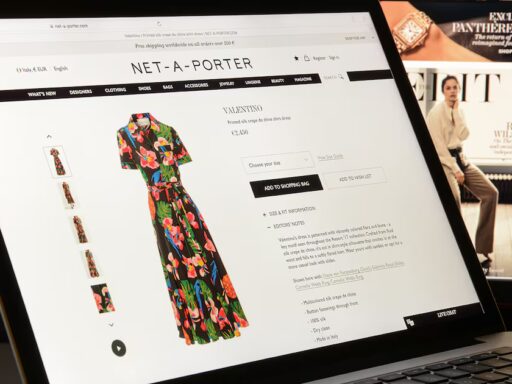

The internet has simplified many tasks, like buying concert tickets or turning in homework assignments; but, perhaps none have been made easier than the process of shopping. Take a quick trip to your favorite website, find the items you are looking for and check out — it’s as simple as that. There’s something cathartic about clicking the large “confirm purchase” button, getting the confirmation email and cutting open the box a few days later. If you’re like me, you’ll probably obsessively track the package as it traverses the country, expecting it to arrive at breakneck speed.
After receiving the package, you may not be satisfied with the product. To return it, you simply tape it back up and ship it back, usually with a full refund. It is no wonder why e-commerce has become increasingly prevalent in recent years, especially among younger generations: It’s quicker, easier and more convenient. At the same time, the switch to online shopping has arguably changed consumer behavior for the worse by enabling online shopping addictions, consumer debt and careless waste. These developments point to a surprising conclusion: Online shopping has become too easy.
Online retailers receive three times as many returns as brick-and-mortar stores. The overall ease of online returns has contributed to wasteful tendencies among consumers. More than 60% of online shoppers engage in “bracketing” their purchases — buying multiple sizes or colors of a product to see what they like before returning the others. Products that are returned are often burned as companies cut their losses. Meanwhile, millions of tons of packaging related to online shipping end up in landfills every year. These are not sustainable practices.
Another bad habit related to online shopping is the ease of developing an online shopping addiction. A friend of mine recently confessed to me that they buy clothes online nearly every day; of course, there are only so many articles of clothing that one can get good use out of. Personally, I’ve developed a bad habit of buying books online that I will inevitably not have time to read. Various psychological phenomena are contributing to this increasingly prevalent online shopping addiction. Experts say that online shopping leads to instant gratification without the minor inconveniences of in-person shopping — driving to the store, trying items on, waiting in line and driving home.
As it turns out, college students may be particularly vulnerable to impulsive online shopping. A study conducted in China found that college students exhibit a so-called “online shopping addiction tendency” resulting in over-purchasing. This tendency is notably linked to the high levels of stress that most college students face. Online shopping, like other addictions, provides transitory relief from the various stressors inherent in the college experience. Hopping online to buy a pair of socks provides a temporary, feel-good distraction from the biology midterm you have next week. All the while, our living spaces become increasingly cluttered with our purchases, whether or not we’re using them.
As a result of various trends, including the COVID-19 pandemic, online shopping has nearly doubled since 2020. Additionally, “buy now, pay later” payment options have become increasingly popular among consumers. Credit card debt has surged to a record balance of more than $1 trillion, even as consumer spending has steadily increased as well. Many analysts see these trends as troubling.
One solution to this development is to think about spending more time shopping in person rather than online. As a result of the constant push to online shopping, brick-and-mortar stores have seen continual declines. By shopping in person at local stores, consumers can not only support local businesses, but also make wiser, less brash purchases in the process.
Online shopping offers unparalleled convenience and ease, but its negative impacts on consumer behavior cannot be ignored. The rise of excessive returns, wasteful practices and impulsive buying habits are clear indicators that online shopping may have become too easy. As we navigate this digital age, it’s crucial to reflect on the consequences of our actions. Consideration of more sustainable shopping habits, such as supporting local businesses and reducing online purchases, can help mitigate these negative effects. Thoughtful decision-making and meaningful interactions, both online and offline, will create a more sustainable and fulfilling shopping experience for all.
Hayden Buckfire is an Opinion Columnist who writes about American politics and culture. He can be reached at haybuck@umich.edu.