
Online retailer Verishop is just under a year old, but its CEO and co-founder already has his sights set on building a platform that will eventually rival some of the biggest existing e-commerce players.
“Our mission is to build the largest online shopping mall in the Western world,” Imran Khan, CEO and co-founder of Verishop, told Yahoo Finance Breakouts. “If you look at why do you go to shopping mall, you go to shopping mall for entertainment. You go to shopping mall for discovery. And you go to shopping mall for convenience. And I’m really focused on bringing those three value propositions to customers.”
The Santa Monica, California–based company was launched on June 18, 2019, by Khan and his wife, Cate Khan, who previously worked as head of retail at Amazon’s now-shuttered Quidsi business. Before co-founding Verishop, Imran Khan spent about four years as Snap’s (SNAP) chief strategy officer, during which the social media company grew from a closely-held start-up to a publicly traded firm with a multi-billion-dollar market cap.
Verishop began selling fewer than 200 brands on the platform, but now serves as an aggregator of more than 600, including women’s and men’s apparel brands like Levi’s (LEVI), home goods brands including Zwilling and beauty brands like Kora Organics. The company was last reported to have raised $30 million in venture capital at a valuation of around $100 million
Instead of listing products via third-party sellers, as can be the case on other e-commerce sites like Amazon or eBay (EBAY), Verishop purchases products directly from brands in an effort to maximize trust among consumers. The name of the company itself is a portmanteau of “verified shop.”
“What we’re trying to do is highlighting the brands … and then the second thing is our commitment to trust,” Khan said. “The internet over the last 20 years lost that trust. We had misinformation. Now, we have ‘mis-product.’”
“A lot of times the brands tell me that they don’t want to go to a traditional e-commerce platform, because they know their product will show up next to a counterfeit product,” Khan said. “It ruins their brand value. And that’s what we’re trying to solve.”
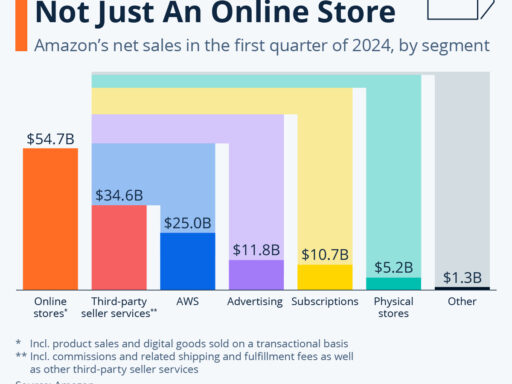
While Khan did not name other e-commerce companies specifically in his remarks, his comments nod to the model e-commerce giants like Amazon have adopted. On Amazon, more than half of goods come from third-party merchants, or sellers outside of the company that pay per-sale commissions to be listed on the site. Reports of influxes in counterfeit items on Amazon and on other similar platforms abound, and the Department of Homeland Security wrote in a report in January that “American consumers shopping on e-commerce platforms and online third-party marketplaces now face a significant risk of purchasing counterfeit or pirated goods.”