
In today’s fast-paced, online-driven marketplace, digital marketing has become a critical tool for businesses seeking to stand out and compete effectively. From startups to established brands, adopting the right digital marketing strategies is essential to reaching customers, driving sales, and building brand loyalty. Here, we delve into seven key types of digital marketing solutions that can help businesses thrive in the digital age.
What Is Digital Marketing and Why Is It Important?
Digital marketing refers to the use of digital channels, platforms, and strategies to promote products, services, or brands. It encompasses everything from social media campaigns to search engine optimization (SEO) and email marketing. Digital marketing enables businesses to connect with their audiences through devices like smartphones, tablets, and computers.
The importance of digital marketing is undeniable:
- A Massive Audience: As of 2022, there are nearly 5 billion internet users globally, with over 2 billion of them making online purchases.
- Targeted Reach: Unlike traditional marketing, which relied on broad-reaching platforms like billboards and TV ads, digital marketing allows businesses to target specific demographics, locations, and behaviors.
- 24/7 Availability: With a strong digital presence, businesses can sell and engage with customers around the clock, offering the potential for continuous revenue generation.

With these benefits in mind, here are the seven key types of digital marketing solutions every business should consider.
1. Content Marketing: Crafting Compelling Stories
Content marketing lies at the heart of any successful digital strategy. It involves creating and sharing valuable content to engage with target audiences, build brand authority, and drive customer action. This can include blog posts, videos, eBooks, podcasts, infographics, and more.
Effective content marketing can:
- Increase brand awareness and customer loyalty
- Drive conversions by encouraging action (e.g., purchases, sign-ups)
- Build a strong online community
- Generate leads for future sales
To maximize the effectiveness of content marketing, businesses must also optimize their content for search engines, which brings us to the next solution. Lots of businesses are learning about the benefits of Spotify premium audio ads that reach highly engaged listeners during their daily routines. This targeted approach allows brands to connect with audiences in a more personal and uninterrupted environment.
2. Search Engine Optimization (SEO): Boosting Visibility
SEO is the practice of optimizing your website and content to rank higher in search engine results pages (SERPs) like Google. The goal is to make your content easily discoverable by users searching for relevant keywords.
SEO strategies include:
- Conducting keyword research to target the right terms
- Creating high-quality, engaging content that meets users’ needs
- Building backlinks to increase domain authority
- Improving website usability and mobile-friendliness
A strong SEO strategy ensures that your content reaches a broader audience and attracts organic traffic, reducing the need for costly paid ads.
3. Email Marketing: Direct Communication with Customers
Email marketing remains one of the most cost-effective and impactful digital marketing solutions. With a high return on investment (ROI)—estimated at 4,400%—email marketing allows businesses to nurture relationships, promote products, and engage directly with their audience.
Key benefits of email marketing include:
- Building customer relationships and loyalty
- Promoting personalized offers and content
- Increasing sales through targeted campaigns
- Nurturing leads by sending valuable information
There are many emailing tools that make it easy to manage, track, and optimize email campaigns, helping businesses drive results from their email lists.
4. Social Media Marketing: Engaging with Audiences in Real Time
Social media is a powerful tool for building brand awareness, engaging with customers, and driving traffic to your website. With billions of users across platforms like Facebook, Instagram, Twitter, and LinkedIn, social media offers a unique opportunity to connect with a broad audience.
Social media marketing can:
- Help create an authentic brand image
- Foster customer loyalty through direct communication
- Generate leads and sales via targeted ads
- Provide valuable insights into customer preferences and behaviors
Several brands like have successfully leveraged social media to engage with users, creating viral campaigns that resonate with their audience. However, managing social media requires ongoing effort, from consistent posting to community engagement and influencer collaborations.
5. Mobile Marketing: Reaching Customers on the Go
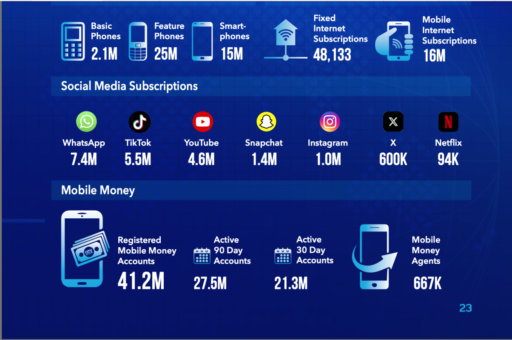
With over 83% of the global population owning smartphones, mobile marketing has become an essential component of any digital marketing strategy. As more consumers shop, browse, and interact via mobile devices, businesses must ensure their content and campaigns are mobile-friendly.
Effective mobile marketing includes:
- Optimizing websites and emails for mobile devices
- Offering mobile payment options for easy transactions
- Using SMS marketing to send timely promotions and updates
- Leveraging mobile apps to enhance customer engagement and loyalty
Mobile marketing also involves ensuring fast load times and creating experiences that are seamless across devices.
6. Pay-Per-Click (PPC) Advertising: Driving Targeted Traffic
PPC advertising is a paid digital marketing strategy that allows businesses to place ads on search engines, social media, or other digital platforms and only pay when someone clicks on their ad. This model ensures that businesses only pay for actual interest in their products or services, making it a cost-effective way to drive targeted traffic.
Popular PPC platforms include:
- Google Ads
- Facebook Ads
- LinkedIn Ads
PPC campaigns are highly customizable, enabling businesses to set budgets, choose specific keywords, and measure results in real time. This makes PPC an excellent choice for driving immediate traffic and sales, particularly for time-sensitive promotions.
7. Affiliate Marketing: Partnering for Growth
Affiliate marketing allows businesses to collaborate with affiliates (partners) who promote their products in exchange for a commission on sales. Affiliates use unique tracking links to refer customers to your website, and you only pay when a sale is made.
Key advantages of affiliate marketing include:
- Reduced risk, as you only pay for actual sales
- Expanding your reach through partnerships with influencers or niche marketers
- Leveraging the networks and audiences of affiliate partners
Affiliate marketing can be a cost-effective way to scale your business, particularly for e-commerce brands looking to tap into new customer segments.
Conclusion: Crafting Your Digital Marketing Strategy
With so many digital marketing solutions available, businesses must carefully consider which strategies align with their goals, target audience, and resources. Whether it’s creating valuable content, optimizing for search engines, or running paid advertising campaigns, a well-rounded digital marketing strategy is crucial for success in today’s competitive online landscape.
To maximize your digital marketing efforts, consider working with an experienced digital marketing agency or service provider that can tailor strategies to your business’s needs and help you achieve measurable results.
In the digital age, staying ahead requires continuous learning, adapting, and investing in the right tools to reach your audience and grow your brand.