

Quick Summary:
Kentico CMS emerges as a powerful hybrid solution in 2026, solving the limitations of WordPress and Magento with a flexible, scalable, and secure architecture. As brands shift toward omnichannel experiences, Kentico blends the simplicity of traditional CMSs with headless agility – cutting plugin dependency, improving performance, and enabling seamless content delivery across every touchpoint.
Its built-in tools, automation, AI-powered layouts, governance controls, and integration ecosystem streamline workflows for marketers and developers alike. For enterprises needing speed, personalization, and global scalability, Kentico significantly accelerates design velocity, enhances security, reduces maintenance costs, and unifies content operations – making it the smarter upgrade path for future-ready digital experiences.
The 2026 CMS environment is changing at an unparalleled rate. Businesses are now demanding speed, scalability, personalization, and security in a single system. WordPress supports 43.4 percent of all websites, and Magento has 8 percent of the global share of e-commerce. These platforms had traditionally controlled their real estate, yet they are starting to reveal their weaknesses as brands become omnichannel.
This gap can be filled with the help of Kentico’s hybrid architecture. The system is a blend of the freedom of headless CMS and the simplicity of traditional systems. Contemporary teams require platforms that can handle numerous channels without the need to be rebuilt fully.
The ancient mechanisms, inflexible, monolithic CMS systems, are no longer slicing it. Even the more flexible traditional headless CMS solutions are beginning to fail. The future is in hybrid solutions, which provide the teams with the best of both worlds. Let’s explore how Kentico CMS is revolutionizing the way brands create brand experiences online.
Why Evolution Matters in the Web Design Landscape of 2026?

Websites are no longer just display boards. They are behavior-driven ecosystems that evolve with user behavior. 69% of users say they can achieve better time-to-market and productivity on new CMS platforms. Today, users require flawless performance, responsive designs, and contextual information, being offered at all touchpoints.
The rise of headless, hybrid, and AI-powered CMSs has changed how teams design, manage, and deliver content. Content producers desire easy-to-use tools. The developers desire high-level APIs. Business leaders want ROI. Organizations require solutions that can expand internationally but should be easy to use by non-technical personnel on a daily basis.
Challenges WordPress Faces in 2026
WordPress websites are not entirely safe since most of them are dependent on third-party extensions. 92% of the breaches are caused by outdated extensions, and therefore, regular maintenance is necessary even though it is time-consuming.
WordPress plugins are powerful, and too many will drag down your webpage and cause conflicts. They also leave security loopholes that can be exploited by hackers.
There is little scalability in multi-brand or multi-lingual sites, which causes bottlenecks. You reach the limit of WordPress when you have more sophisticated needs.
Larger websites have high maintenance expenses that compound quickly. Third-party tools such as Yoast SEO or Rank Math seem to be essential to SEO and performance improvements. This builds a disjoined ecosystem in which update management is a full-time occupation.
WordPress has supported versions that are almost 10 years old, which is good. This, however, comes at the cost of indefinite testing, and even with detailed documentation, the learning curve of advanced features is not immediate.
Why Magento’s Experience Layer Needs Reinvention?
Old Magento UI is out of experience-first design. Magento serves approximately 131,491 websites across the globe, yet numerous merchants find it difficult to cope with the complexity.
Hard-to-control dynamic storytelling, content, and products are a significant pain point. Magento is a commerce performer, but not a content performer. The front-end requires developers to make updates, which slows down marketing flexibility.
Limits on personalization without the paid extensions limit brands to what they can accomplish without upgrades. Prolonged deployment periods impair marketing responsiveness. Simple changes take weeks to be delivered through teams.
Magento 1 had performance and security problems that gave birth to Magento 2 in 2015. Magento 2 came with a superior architecture that is optimized in terms of performance and loading time.
But badly coded themes cause disasters in load times. The Kentico website offers a single platform that manages storytelling and transactions in an integrated manner.
Why Businesses are Turning Toward Hybrid CMS Models?
Hybrid headless systems provide the flexibility of headless systems and the ease of use of traditional systems. These frameworks have a visual page editing alongside API-powered headless architecture that provides the flexibility desired by marketers and developers.
A hybrid CMS is a combination of API flexibility and the convenience of the traditional system. It allows quicker deployment and does not compromise omnichannel coverage.
Reusable content modules speed up development. Leverages the same content across web, mobile, voice, and other new channels without having to recreate the content. You write and publish and spread all over.
Facilitates single management of the marketing and development team. All people work off the same content hub. No one is willing to visit the developers each time they want to publish a landing page.
Content systems are now smart enough to do the work without human intervention, customize experiences, and give timely, real-time advice to teams with AI implementation.
How Kentico CMS Bridges Creativity and Technology?

Kentico CMS 2026 reinvents the process of building, launching, and growing websites for brands. It is a combination of the traditional CMS simplicity and headless flexibility. This helps not just the creatives but also coders to work in a more effective way without stepping on each other’s toes.
The market share of Kentico CMS is approximately 0.01 in comparison with other higher-profile competitors, but it is also over-punching when it comes to enterprise deployments. Perfect in situations where the enterprise is dealing with more than one location, online stores, and multilingual promotion, where uniformity is important.
Core Advantages of Kentico’s Architecture
A hybrid structure allows headless deployment and traditional deployment. No-code and low-code built-in page builder enables marketers to act quickly.
Globally consistent content and asset management are used to guarantee that worldwide brand standards are upheld in every touchpoint. Your central content hub holds content items that may be deployed on any channel. When you change information in the hub, it automatically synchronizes in all the places you have shared it.
Being API-based and easy to integrate with other systems implies that IT teams do not need to replace everything. Kentico integrates well with already existing systems and processes.
Cloud native infrastructure guarantees availability, performance, and capacity. The platform is capable of dealing with traffic spikes automatically. The security is built in to guard your site against cyber attacks.
Transforming WordPress Design Workflows
Introduce Kentico as a content hub, which supplies WordPress front-ends. Manage multiple websites and languages using a single dashboard. Minimize dependency on the use of plugins.
WordPress boasts of more than 65,000 plugins, though most of them cause conflicts and security threats. Kentico enables you to use fewer plugins as it is in charge of core functions.
Kentico has a powerful content management system that has a user-friendly interface in terms of web content creation, management, and optimization. Accelerated publication in the form of an automated workflow and approvals reduces days of work to hours.
Schema and metadata automation do a better job of ensuring that content reaches its audience. You do not have to use different tools to perform each function.
Enhancing Magento with Kentico-Powered Experiences
Layer content-based experiences on top of the e-commerce core at Magento. Magenta is not strong in content management, yet businesses prefer it because of its strong customization and scalability capabilities. That is exactly where Kentico fits in.
Kentico e-commerce solutions are inclusive of product management to checkout optimization. Provide dynamic landing and personalized product pages that respond to the behavior of the customer. Automatically synchronize product menus and promotional materials.
Integrate analytics for conversion optimization. Have common design systems by region and brand because it makes it easy to manage a virtual storefront.
Built-In Tools That Redefine Design Velocity
Drag and drop page builder creates output at breakneck speed. The component-based design provides brand consistency in all the pages without strict templates. It provides a personalized experience to users based on their preferences, history, and activity levels.
AI-aided layouts provide the best suggestions concerning the placement of content through performance data. No longer will you have to hold a meeting to see what it will look like because real-time work and live previews will be available.
Automation of workflow saves time-to-market on the campaign. The automation tools developed by Kentico facilitate the automation of repetitive tasks. You are able to automate follow-up emails, update customer profiles, and initiate actions according to user behavior.
How Integration, Automation, and Governance Made Easy?

The Kentico ecosystem creates a consistent workflow in big businesses. Two-thirds of teams continue to have multiple CMS to manage cross-platform content. These systems are consolidated with integration-ready data-secure automation-oriented capabilities.
Essentially, being built to perform at scale implies that the platform does not slow down with growth. You do not have to restructure infrastructure to add sites, languages, and channels.
Integration and API Ecosystem
Works seamlessly with WordPress, Magento, and Shopify front-ends. Common connections that include HubSpot, Salesforce, and GA4 are native and do not require custom development.
REST and Graph Query Language interfaces enable instantaneous data synchronization among the mechanisms. Power BI supports visual analytics dashboards that provide the insights that the leadership requires. Get access to more than 6,000 services through the Zapier connector to have more functionality.
ERP, CRM, and PIM systems have open connectors that ensure data flows freely within the enterprise. No further manual system-to-system exports and imports. Scalable.NET API layer provides efficiency with developers. Control of all systems without the need to switch tabs.
Automation and Workflow Efficiency
Projects are sustained by automated approval and content publishing processes. Alerts on cross-departmental cooperation keep the people informed.
Global campaigns have time-based scheduling, allowing teams to work across time zones. AI-supported keyword and SEO optimization suggestions can make the content more effective.
Campaign re-launch templates can be reused to save hours of setup time. Teams do not rebuild layouts on a recurring basis. Approval automation and publishing occur with the intelligence of an AI workflow.
Security, Compliance, and Control
Higher levels of role-based access and approval provide administrators with granular control. SSO Integrations and two-factor authentication curb unauthorized access.
The GDPR, HIPAA, and ISO-compliant infrastructure will be able to satisfy the regulatory requirements without individual development. The platform is secured by constant vulnerability scans and updates.
Customer data is secured with APIs and encryption to ensure data privacy. Kentico is very cautious about security and has features meant to fight off cyber threats. Compliance software allows you to address data privacy standards without the need to pay lawyers.
Process and Key Benefits of Migrating to Kentico CMS
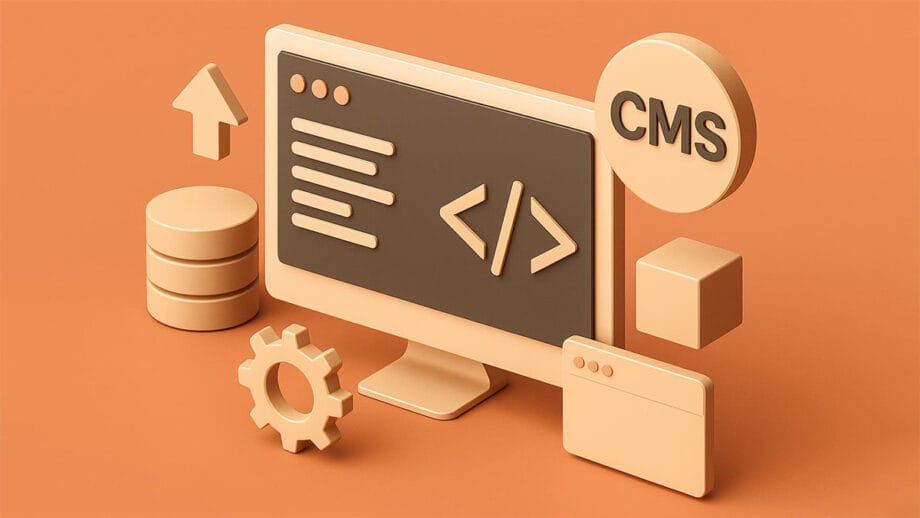
There is no need to start afresh to migrate to Kentico CMS. It is not a reconstruction but a development. Brands can easily upgrade their brands without losing the SEO equity with structured migration planning.
Businesses relocate for a number of reasons. They are planning the future with a more flexible and scalable CMS to reach long-term objectives. They desire higher web performance, more functionality, a better content management interface, or more user-friendly content editing.
Other firms will be forced to lower their expenses by switching to more effective technology. Kentico CMS is based on established patterns that reduce risks. Teams sustain business continuity and acquire new capabilities.
Migration Planning Framework
Execute a complete material and asset audit to grasp the situation. This assists you in scope determination and determining the challenges or risks that may arise during migration. Set taxonomies and content types to a hybrid setup so it does not get lost in translation.
Configure redirects to retain ranking signals and prevent broken links. The equity of SEO is important, and it should not be wasted in the migration process. Introduction through pilot projects prior to implementation.
Start by mapping a WordPress stack equivalent of your Kentico setup. When it comes to front-end migration, you have the option to recreate your design by either custom WordPress development or redesign.
Backend migration builds your site capabilities by moving over the existing features, functionality, and third-party integrations. Content migration involves a combination of both automated and manual processes.
Train teams for CMS adoption and workflow alignment. Half of the survey respondents identified that their team required a lot of training to learn headless CMS.
Benefits of Kentico Adoption
Modular design enables a 40% time reduction in project delivery time, which saves time-to-market. Reduced maintenance and less dependency on the plug-ins release funds towards innovation.
Silos are torn down via heightened teamwork among planning, engineering, and marketing groups. Consistent global branding and improved UX metrics strengthen customer relationships.
Long-term adaptability for AI and IoT integration ensures the platform grows with emerging technologies. All capabilities within the Kentico modules can be tailored to aid your commercial demands.
Upgrade Your Website with Kentico: Let’s Build Together!

The era of single-purpose CMSs is over. Hybrid flexibility is the new normal for enterprises that need to move fast. Kentico CMS empowers WordPress and Magento users to build faster, design smarter, and scale effortlessly.
WordPress offers better TCO than Kentico for simple sites with no upfront or annual licensing fees. However, for enterprise needs, Kentico provides comprehensive functionality that WordPress achieves only through plugins.
Magento offers robust features for e-commerce, but content management remains challenging. Whether it’s improving UX, performance, or content governance, Kentico sets a new standard for 2026. Let’s collaborate and build your future-ready digital experience today!