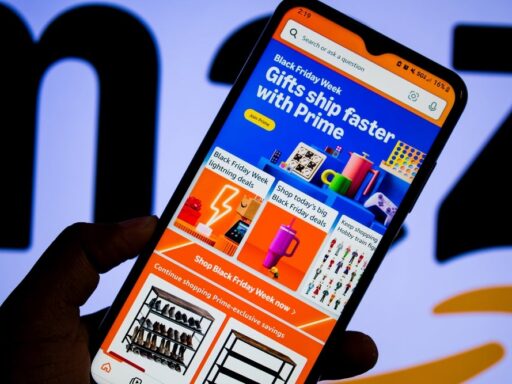



The Covid-19 pandemic boosted the popularity of online shopping as people were stuck at home. However, coming out of lockdown, the shopping experience has changed, inspiring a new round of debate over whether brick-and-mortar stores can survive in the digital age.
The shopping experience has gotten worse
While the experience has generally declined, certain groups have always had difficulty with shopping in-store. For those with sensory processing disorders, “common shopping experiences are extremely stressful, debilitating or even painful,” wrote Amanda Morris for The Washington Post. Also following the pandemic, “clothing companies returned to once again courting a thin minority.” Elizabeth Endicott wrote in an opinion essay for The New York Times. “In-store access to plus size clothing above a size 24 almost seems like a mythical creature that you’re lucky to discover almost by accident,” remarked Christine M. in The Curvy Fashionista.
Sign up for The Week’s Free Newsletters
From our morning news briefing to a weekly Good News Newsletter, get the best of The Week delivered directly to your inbox.
From our morning news briefing to a weekly Good News Newsletter, get the best of The Week delivered directly to your inbox.
In addition, stores are losing their ability to connect to consumers. “The math on well-run stores has gotten worse and worse with time.” Amanda Mull wrote in The Atlantic. “And at any price level, the charms and conveniences of in-person shopping have to be cultivated, which requires corporate oversight that actually understands and values the reasons that people like going out to shop in the first place.”
It still offers benefits
“While e-commerce grew during the pandemic, there are signs that people want to visit stores in person.” wrote Caitlin Gilbert and Lindsey Bever for the Post. Data has shown that in-person shopping is on the rise once again. “Since the lifting of restrictions and consumers’ gradual return to more normal ways of living, physical retail has bounced back,” according to an analysis by Coresight Research. In reality, “the mall as a retail concept is alive and well, with retailers pivoting to fit the demands of a digital age,” wrote Eva Rothenberg for CNN.
Much of the rise is thanks to Gen Z. “The tech-savvy generation still likes shopping in physical stores just as much as they do online,” explained Sawdah Bhaimiya for Insider. “Gen Z are voracious shoppers with social media encouraging young people to buy new clothes regularly.” Also “rather than jostling with brick-and-mortar stores for supremacy, each shopping format is bolstering the other,” with many stores having both an in-person and online presence, meaning “brands can be selective about where they open physical locations, and focus on top-tier malls with an energetic consumer base,” Rothenberg continued.
There are some benefits that only come from visiting stores as well, including that “customers can bring the products home immediately,” as well as “experience the product and store environment with all of their senses,” Jennifer Dublino wrote for Business.com. Gen Z also enjoys going to shopping malls “for the social aspect, not for any specific product,” Bhaimiya added.
Explore More