
You don’t need a physical retail location to run a store. With an e-commerce-friendly website builder, you can create a site that serves as a digital storefront, proudly displaying goods and services to potential customers while processing their payments. However, you must select a platform before selling wares. Shopify and Squarespace are top web hosts with e-commerce options, but how do you determine which is best for your business?
There are many factors to consider, but don’t fret: I’ve put both hosting platforms (and many others!) through their paces, examining the services’ strengths and weaknesses with a critical eye. Read on to see how they differ based on plans, prices, and features, so you can make an informed decision.
Plans and Prices
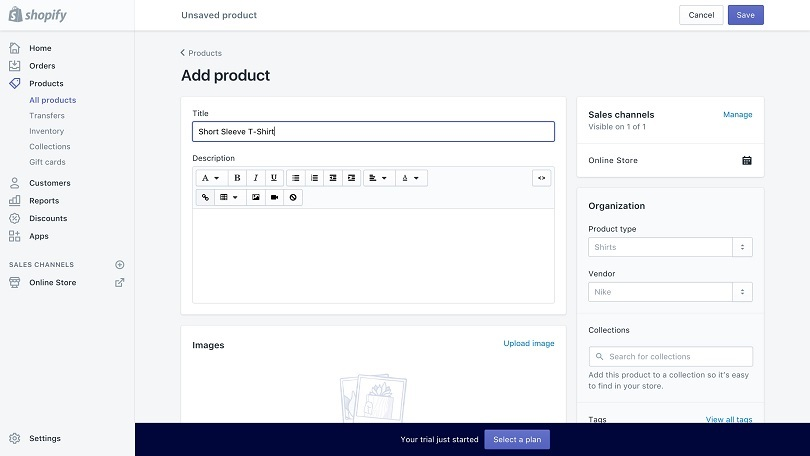
Every Shopify tier is a dedicated e-commerce platform that lets you sell products. The Basic plan (starting at $39 per month) includes unlimited product listings, an SSL certificate, and the ability to sell products through sites hosted on other platforms. Higher tiers, such as Shopify (starting at $105 per month) and Advanced Shopify (starting at $399 per month), add perks like extra staff accounts, international pricing, and automatic shipping rate calculators. It all depends on what your business needs.
(Credit: Shopify/PCMag)
In addition, Shopify has specialty tiers like Shopify Starters ($5 per month) for social media sales and Retail ($89 per month) for in-person sales. Finally, larger businesses can opt for the Plus plan ($2,300 per year) to unlock wholesale and B2B selling options. You can also request the Enterprise Commerce tier’s custom pricing for efficient custom support tailored to your company’s needs.
Likewise, Squarespace has several e-commerce options. For $25 per month, the Basic tier lets you sell unlimited products, services, and memberships. The higher tiers, Core (starting at $36 per month), Plus (starting at $56 per month), and Advanced (starting at $139 per month), aren’t radically different, but they add more marketing options and API integrations.
Shopify and Squarespace charge a standard 2.9% plus a $0.30 credit card transaction fee, which decreases if you sign up for a premium tier. However, Squarespace costs less money, lowering the barrier of entry if you’re on a tight budget. That said, Shopify comes with additional features, namely its tools for building storefronts in various digital and physical locations, which may make you more money in the long run. Overall, Squarespace is better for e-commerce newcomers, while Shopify better serves e-commerce veterans. Both services provide domain names, too.
Winner: Tie
Building an Online Store
Shopify’s app marketplace has many site-building options, such as tools for accounting or social media support. On the backend, you can add products, manage inventory, view analytics, optimize how products appear in search engines, and expand your reach with Shopify’s email marketing features. Plus, many third-party companies offer free and premium templates for displaying your products in the best light (and you can switch between them without penalty).

(Credit: Squarespace/PCMag)
Squarespace also has the features you need for a functional e-commerce platform, from email marketing to a shopping cart. However, its overall design tools are fantastic for any site you wish to create. Unlike Shopify, Squarespace doesn’t let you switch a template once you’ve chosen one (you’d have to rebuild everything from scratch). Still, Squarespace’s templates are more attractive, and the Fluid Engine that powers them makes editing a breeze.
Winner: Squarespace
Payment Options
Shopify has many payment options, including heavy-hitters like Apple Pay and PayPal, plus its own Shopify Payments. There are more than 70 money-exchanging gateways. Alternatively, you can opt for cryptocurrency platforms like BitPay and GoCoin. Shopify works with online stores as well as in-person retail. You can accept bank deposits, cards, checks, and money orders. It’s so flexible that you can add a Shopify button to other sites you’ve created. When it’s time for a transaction to cross over from online into the real world, Shopify works with carriers like DHL Express, UPS, and USPS for shipping. Shopify even sells its own point-of-sale system for in-store retail.

(Credit: Squarespace/PCMag)
Squarespace supports Squarespace Payments, Stripe, and PayPal for payments, which you can use to connect to other methods like Apple Pay, Klarna, Venmo, and various major credit cards. However, the total number of gateways doesn’t approach Shopify’s. For in-person purchases, you can leverage the POS systems made by Square (a different company). Integrations with USPS and Xero aid with shipping and accounting. Squarespace Scheduling gives you an online assistant for managing all business-related appointments.

Get Our Best Stories!
All the Latest Tech, Tested by Our Experts

Thanks for signing up!
Your subscription has been confirmed. Keep an eye on your inbox!
Squarespace’s payment features cover the most important bases, but Shopify goes above and beyond.
Winner: Shopify
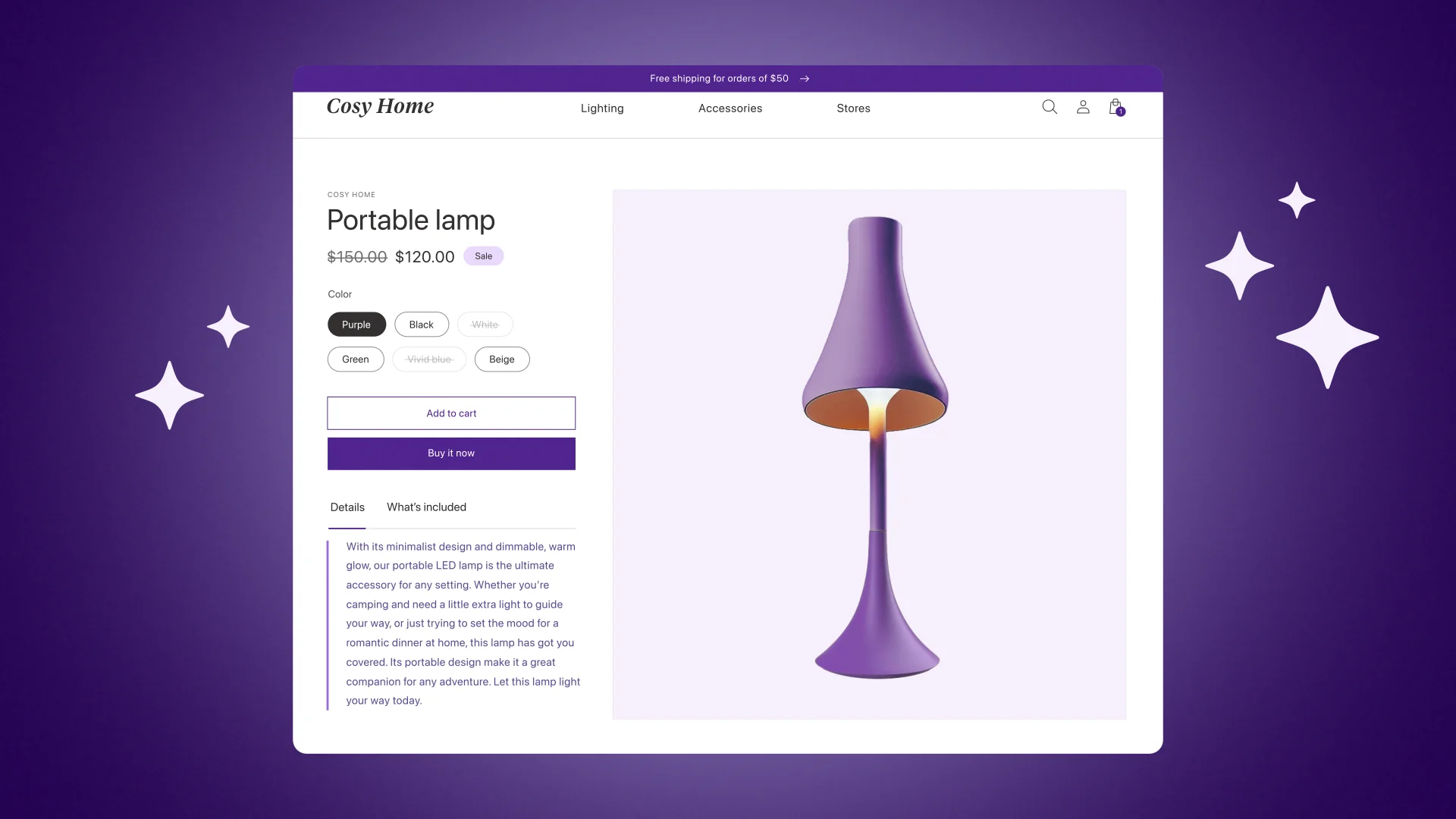
Nothing replaces the human touch, but Squarespace and Shopify offer AI tools to quickly build your online shop. The implementations are pretty similar. Both let you enter prompts to generate text or modify images and are included with all plans.
Recommended by Our Editors
(Credit: Shopify)
However, the service’s respective AI tools highlight how Squarespace is more of a generalized website builder, whereas Shopify is built for e-commerce. Squarespace’s best AI pitch for businesses is that the tools create a better aesthetic for your brand. But Shopify’s AI tools, known as Shopify Magic, include more tangible, merchant-focused applications. With them, you can create product descriptions, remove distracting background images, streamline your marketing emails, and consult a chat assistant if you need help. Squarespace can do most of the same things, but with Shopify, it’s easier to understand how AI can help your online business.
Winner: Shopify
Customer Service
Contacting a customer service representative is vital when you have a problem with your online shop. Shopify makes it simple via 24/7 phone and live chat support. The support team is responsive even during off-peak hours, and the user forum contains insightful discussions.
Squarespace has useful 24/7 live chat but lacks phone support—a bummer if you want to speak with someone quickly. However, it has discussion forums that answer many common questions.
Winner: Shopify
And The Winner Is…

Squarespace is a great general website builder with capable e-commerce features and beautiful site design. However, Shopify is a dedicated e-commerce platform, first and foremost. That focus gives it more appeal and utility if you’re primarily interested in creating digital stores. As a result, Shopify is our Editors’ Choice winner for e-commerce and an easy recommendation for online businesses of all sizes.