
Smaller luxury players say prepaid e-commerce can work but requires a lot of reassurance through customer service. “It’s quite scary in Russia to pay a new e-store, even if you know the brand very well,” says Andrey Artyomov, founder and designer of nine-year-old Russian brand WOS (previously Walk of Shame), which has 200 stockists worldwide.
The brand launched e-commerce in January of this year in anticipation of the pandemic and employs three client representatives exclusively to advise and reassure its customers before they buy online. “Every item requires a conversation over the phone or on Instagram before the sale,” says Artyomov. Before Covid-19, e-commerce represented just 1 per cent of total sales. But WOS has seen a 1000 per cent increase in online sales between January and May, and online makes up 7.7 per cent of the brand’s €820,000 in total sales for this period.
“I would advise international brands to be patient,” says Nikolay Potylitsin, the brand’s director of international operations, “Russian payments systems and customs are hard, and you have to be careful of Russian consumer habits,” he says.
Invest in own delivery and returns service
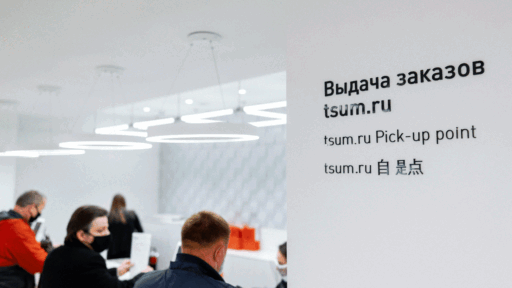
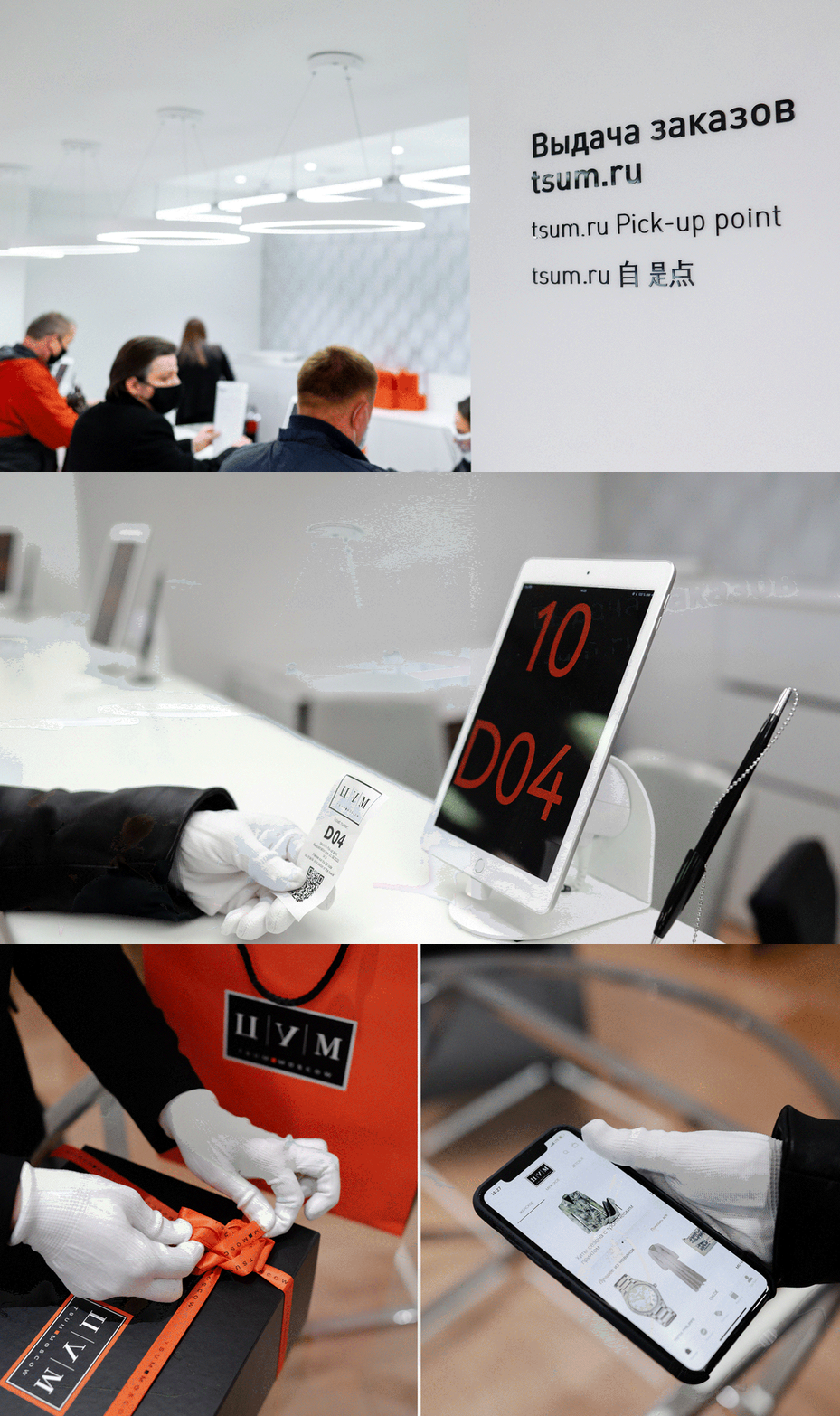
International brands need to build their own logistics operation domestically, to compete with local players’ sophisticated delivery and returns systems. “The Russian consumer is spoiled with convenient services and unlikely to be willing to pay for delivery, buy without trying on, and wait for a long delivery,” says Mantas Kaluina, research manager at Euromonitor.
Bakalchuk launched a Wildberries logistics service early on, which was a critical moment for the company. “We tried to work with different courier services, but faced problems which had a serious impact on the reputation of the store: the loss and damage to goods, the failure of delivery,” she says. Now, the company has control over the timing and quality of its fulfilment.
Balenciaga and Alexander McQueen have Russian sites supported by the outgoing Kering/Yoox Net-a-Porter partnership. But delivery comes from overseas so customers must pay for customs on orders over €200 and can wait up to four weeks for their goods. Kering has outlined plans to develop its own online flagships this year, but it declined to share if there are plans to launch in Russia.