

Digital marketing has matured from a collection of isolated tactics into a tightly connected ecosystem. Paid media, social platforms, content marketing, analytics, and conversion optimization all work together to shape how brands are discovered and trusted online. Within this ecosystem, SEO continues to play a foundational role. Not because it is trendy, but because it aligns closely with how people actually search, evaluate, and choose businesses today.
For organizations building long term visibility, SEO is no longer about chasing rankings for a handful of keywords. It is about creating a technically sound, content rich, and user focused digital presence that supports broader marketing goals.
Why SEO Still Matters in a Performance Driven Landscape
Search remains one of the most consistent sources of high intent traffic. A large majority of online experiences still begin with a search query, and organic listings capture a significant share of clicks compared to paid placements. Unlike ads, organic visibility compounds over time. Each improvement to content, site structure, or page performance strengthens the overall authority of a domain.
SEO also influences how other channels perform. Strong organic visibility can lower paid acquisition costs, support brand credibility on social platforms, and improve email conversion rates when users recognize a brand from search results.
SEO as Infrastructure, Not a Tactic
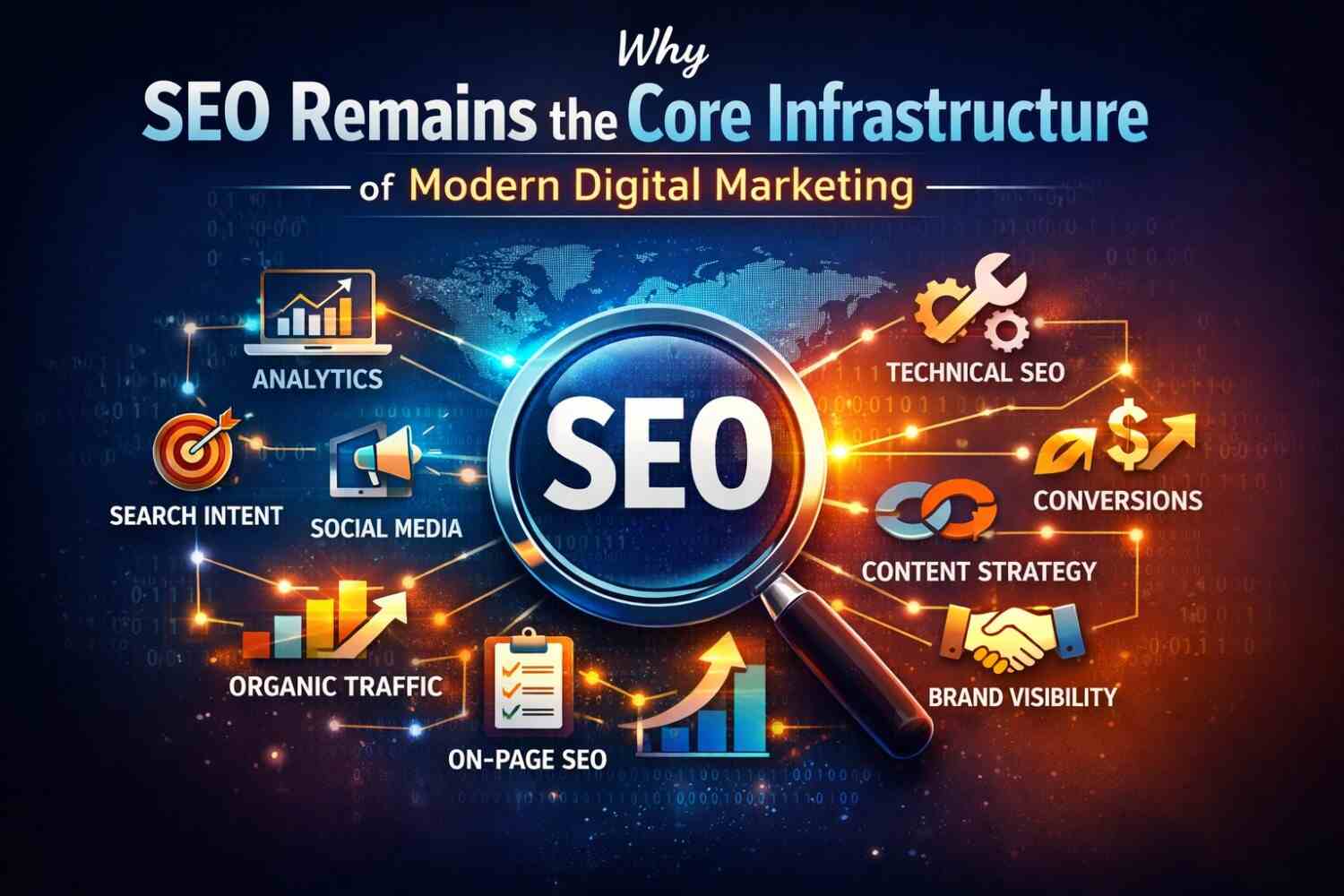
One of the most common misconceptions is treating SEO as a standalone activity. In reality, SEO functions more like infrastructure. It supports content distribution, user experience, and data driven decision making across digital marketing.
Early in a strategy discussion, many teams look to a trusted SEO agency for businesses to help align technical requirements with content planning, analytics, and conversion goals. When SEO is embedded into digital strategy rather than layered on afterward, it becomes easier to scale results without constant rework.
Technical SEO Sets the Baseline for Growth
Technical performance is no longer a background concern. It directly impacts visibility, engagement, and revenue.
Search engines now evaluate page experience signals such as load speed, interactivity, and visual stability. Slow or unstable pages increase bounce rates and reduce the likelihood of ranking competitively. Even small delays in page load time can lead to measurable drops in conversions.
Key technical priorities include:
Clean site architecture that allows search engines to crawl efficiently
Mobile friendly design that performs well across devices
Secure browsing with HTTPS as a baseline standard
Logical internal linking that distributes authority across important pages
These elements rarely attract attention when done correctly, but they quietly determine how far other marketing efforts can go.
Content Quality Has Shifted From Volume to Value
Search engines have become increasingly effective at evaluating content depth, relevance, and originality. Thin pages created solely to target keywords are unlikely to perform well over time. Instead, content that answers real questions, demonstrates subject expertise, and reflects genuine experience tends to earn stronger engagement signals.
High performing SEO content today often shares a few traits:
Clear intent alignment with what users are actually searching for
Structured formatting that makes information easy to scan and understand
Use of supporting data, examples, and explanations rather than surface level claims
Regular updates to keep information accurate and relevant
In digital marketing, this type of content also performs well beyond search. It supports social sharing, strengthens email campaigns, and gives sales teams assets they can reference with confidence.
Search Intent Connects SEO With the Buyer Journey
Modern SEO relies heavily on understanding search intent. Queries often signal where a user sits in the decision making process, from early research to comparison and final purchase.
Informational searches focus on learning and problem solving. Commercial searches suggest evaluation and consideration. Transactional searches signal readiness to act.
By mapping content to each stage of intent, digital marketers can create a more complete journey. SEO then becomes a way to attract, educate, and nurture potential customers before they ever speak to a sales representative.
Data From SEO Improves Other Marketing Channels
SEO provides some of the most valuable behavioural data available. Search query patterns reveal how audiences describe their problems in their own words. Page engagement metrics highlight which messages resonate and which fall flat.
This data can be applied across digital marketing efforts:
Paid campaigns can mirror high performing organic keywords and messaging
Social content can address questions already proven to attract interest
Conversion optimization can focus on pages with strong traffic but weak engagement
Rather than operating in isolation, SEO insights can guide smarter decisions across channels.
Authority Is Built Through Consistency, Not Shortcuts
Link building and authority development remain part of SEO, but the emphasis has shifted. Search engines increasingly reward natural signals of trust rather than aggressive tactics.
Authority grows when a brand consistently publishes useful content, earns mentions from relevant publications, and maintains a strong technical foundation. Public relations, thought leadership, and partnerships now play a bigger role in SEO success than transactional link placement.
This approach aligns well with broader digital marketing goals, where credibility and reputation directly affect performance across platforms.
Measuring SEO Success Beyond Rankings
While rankings still matter, they are no longer the most meaningful metric on their own. Effective SEO measurement focuses on outcomes tied to business goals.
Key indicators include:
Growth in qualified organic traffic
Engagement metrics such as time on page and scroll depth
Conversion rates from organic visitors
Assisted conversions where search played a supporting role
By tying SEO performance to revenue and lead quality, marketing teams can better justify investment and prioritize efforts.
SEO as a Long Term Competitive Advantage
Digital marketing channels change quickly. Algorithms update, platforms rise and fall, and paid costs fluctuate. SEO offers stability when approached strategically. A well optimized site with strong content and authority can continue generating value even as other channels become more competitive or expensive.
For organizations willing to invest in quality, SEO becomes a durable asset rather than a recurring expense. It strengthens brand visibility, supports trust, and integrates naturally with every other part of digital marketing.
Final Thoughts
SEO has evolved from a technical specialty into a strategic discipline that touches nearly every aspect of digital marketing. It influences how brands are discovered, how content performs, and how customers move through the buying journey.
When treated as infrastructure rather than a checklist, SEO supports sustainable growth and sharper marketing decisions. In a landscape driven by data, experience, and trust, it remains one of the most valuable tools available to modern businesses.