
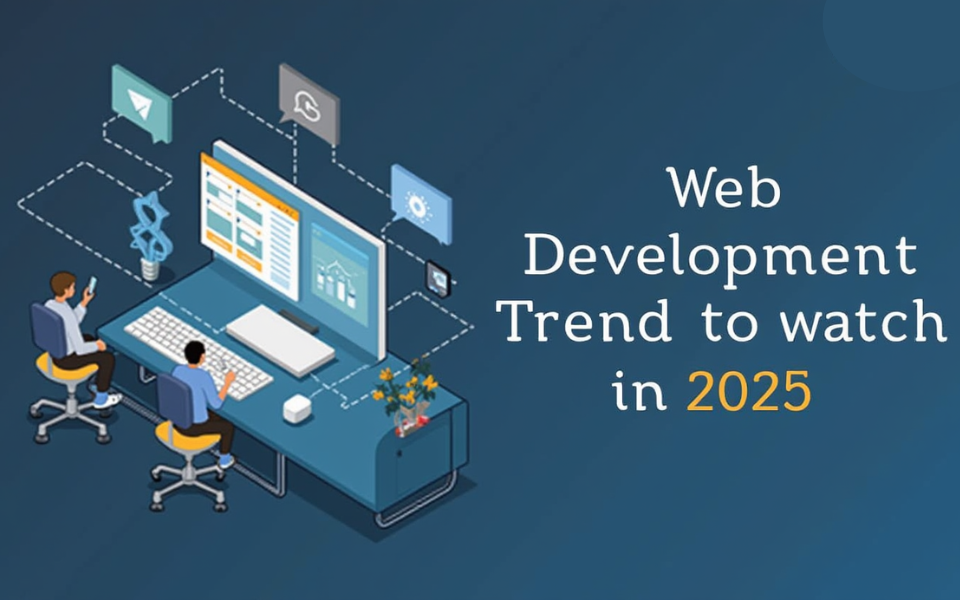
The world of web development is always changing. Every year, new technologies and user demands shape how websites are built and used. As we move into 2025, staying updated with the latest web development trends is more important than ever—especially for businesses that want to stay competitive online.
In this article, we’ll explore the top web development trends to watch in 2025. These trends are not just buzzwords—they’re shaping the future of websites and how people interact with them.
Progressive Web Apps (PWAs)
Progressive Web Apps (PWAs) continue to grow in popularity. PWAs look and behave like mobile apps but run in a web browser. They offer fast loading times, offline access, and push notifications—just like native mobile apps.
Why it matters:
PWAs improve user experience and increase engagement, especially for mobile users. In 2025, more businesses are expected to switch from regular websites to PWAs to give users a faster, app-like experience without requiring downloads from app stores.
Voice Search Optimization
With the rise of smart speakers and voice assistants like Alexa, Siri, and Google Assistant, voice search is becoming a big part of how people use the internet.
Why it matters:
Web developers need to optimize websites for voice search by using natural language keywords, FAQs, and structured data. In 2025, websites that are easy to find through voice commands will have a major SEO advantage.
AI-Powered Chatbots
AI-based chatbots are getting smarter. They can now answer questions, guide users, and even make product recommendations based on user behavior.
Why it matters:
In 2025, more websites will use advanced chatbots to provide 24/7 support. This reduces the need for human customer service and improves user satisfaction. Chatbots are becoming an essential feature for businesses that want to be available anytime.
Dark Mode Design
Dark mode is not just a trend—it’s becoming a standard option for websites and apps. It’s easier on the eyes and can save battery life on mobile devices.
Why it matters:
In 2025, users expect websites to offer a dark mode option. Adding a dark mode switch improves user comfort and shows that your brand is modern and user-focused.
API-First Development
In API-first development, developers build the back-end (server-side) part of a website first and use APIs to connect it with the front-end (user-side). This makes it easier to build scalable and flexible websites.
Why it matters:
It allows developers to build websites, mobile apps, and other platforms all from the same source. In 2025, as more businesses want multi-platform support, API-first development will be a go-to method.
Low-Code and No-Code Development
Not everyone is a coding expert. That’s why low-code and no-code tools are gaining popularity. These tools let users create websites and apps with little or no programming.
Why it matters:
These platforms save time and money while allowing more people to build websites. In 2025, even small businesses or startups with limited budgets can build strong digital products using low-code tools.
Improved Cybersecurity Features
As cyber threats continue to rise, website security is becoming a top priority. From stronger encryption to AI-based threat detection, developers are focusing more on safety.
Why it matters:
In 2025, having a secure website isn’t optional—it’s necessary. Websites must use HTTPS, two-factor authentication, regular updates, and secure hosting to protect user data and maintain trust.
Serverless Architecture
Serverless architecture lets developers build and run websites without managing the underlying servers. Cloud providers like AWS, Azure, and Google Cloud handle all server operations.
Why it matters:
It reduces cost, improves scalability, and simplifies development. In 2025, serverless technology will allow developers to build fast, reliable, and affordable web apps.
Augmented Reality (AR) Experiences
AR lets users interact with digital content in the real world through their phone or tablet. For example, users can preview furniture in their home or try on glasses virtually.
Why it matters:
AR is growing fast in industries like eCommerce, real estate, and fashion. In 2025, more websites will integrate AR to create interactive, exciting shopping or browsing experiences.
Sustainable Web Design
Sustainability is becoming a part of digital strategy. A website’s design can impact how much energy it uses—lighter designs with fewer scripts consume less energy.
Why it matters:
In 2025, expect more businesses to care about “green” websites. Developers will focus on clean code, efficient images, and eco-friendly hosting as part of their strategy.
Final Thoughts
Web development is changing fast, and the trends of 2025 show a clear focus on user experience, speed, flexibility, and innovation. Whether you’re a business owner or a developer, staying on top of these trends will help you create better websites that stand out.