
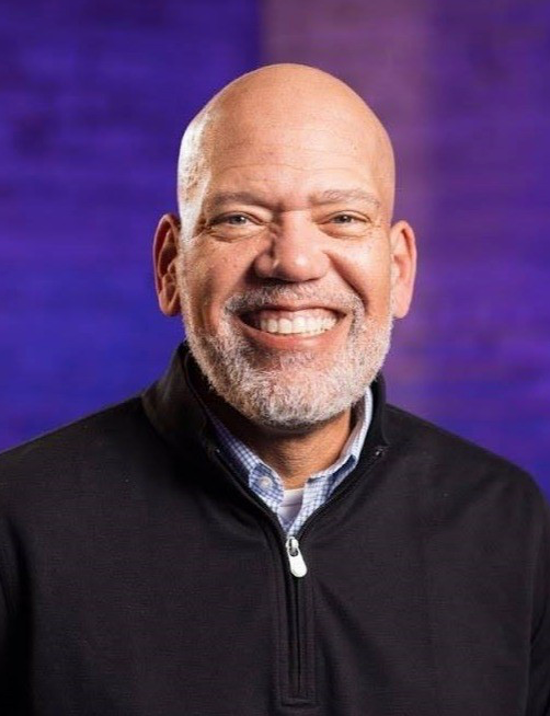
Christian Hendricks | for E&P Magazine
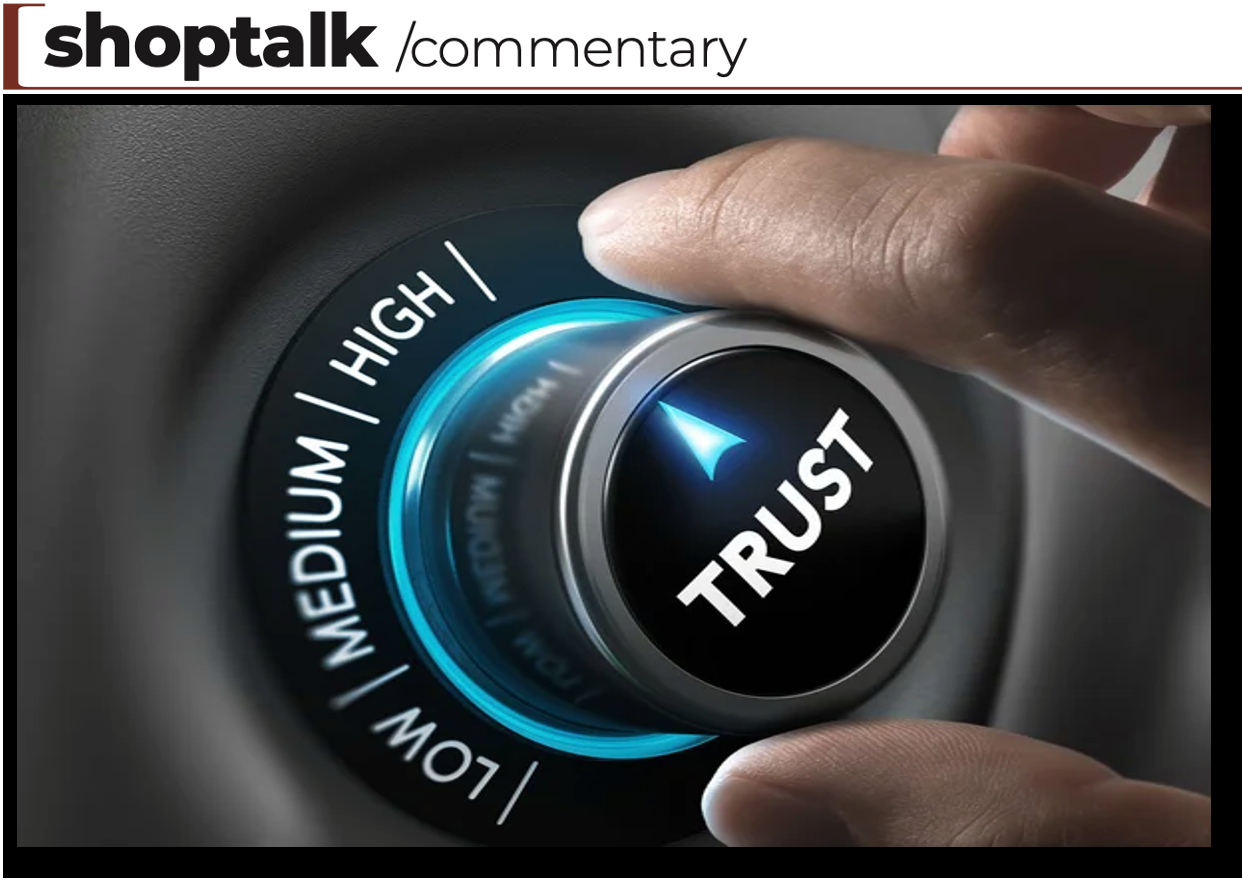
In an AI-assisted publishing world, trust isn’t built through tool disclosures or policy statements, but through standing behind the work and owning the outcomes.
I’ve been thinking about this for a long time, especially as conversations about artificial intelligence, transparency, and trust have grown louder across the media industry.
There’s a growing assumption that publishers need to explain the tools behind their work to earn trust. That if readers understand how journalism is produced, they’ll feel more confident in what they’re reading. I’m not convinced that’s how trust works, particularly at the local level.
Most people don’t open the hood on a car before deciding whether they trust it. They care whether it starts, whether it gets them where they need to go, and whether it behaves predictably when something goes wrong. The same dynamic applies to local journalism. Readers don’t judge stories based on the software used to produce them. They judge them on accuracy, fairness, consistency, and whether the publication owns its mistakes.
Accountability exists whether you write a statement about it or not. I’m accountable for every word published under the Holly Springs Update name. That responsibility doesn’t change based on who wrote a piece, whether content was syndicated, or whether modern tools were used along the way. If something is wrong, responsibility doesn’t shift to a workflow or a platform. It lands with me and with the business. That’s why corrections matter more than disclaimers, and why I carry insurance rather than talking points.
This is where I struggle with the growing push for detailed disclosures about AI usage. Once you start explaining process, you invite questions that don’t actually improve trust. How much was used? At what stage? Which tools? Those questions don’t change the reader’s experience, and they don’t change accountability. They simply move attention away from outcomes and toward mechanics.
I’m also wary of absolutist language. Statements that promise “always” or “never” tend to create more problems than they solve. Journalism is inherently messy. Workflows evolve. Tools change. What does not change is responsibility for what gets published.
If there is a principle worth stating, it isn’t about technology at all. It’s about ownership.
Holly Springs Update does not publish news stories without human review and responsibility.
That sentence isn’t a claim about process, tooling, or innovation. It’s a statement about who stands behind the work when it goes out into the world. And that, ultimately, is what trust is built on.
Readers don’t need a tour of the engine. They need a vehicle that works, driven by someone willing to take responsibility for where it goes and what happens along the way.
Everything else is secondary.
About the Author
Christian Hendricks is the publisher of Holly Springs Update, an independent local news outlet serving Holly Springs, North Carolina. He is a widely recognized leader in local media and digital publishing, with more than three decades of experience. Hendricks spent more than 20 years leading digital initiatives at McClatchy and is a co-founder and the current president of the Local Media Consortium. He also serves as a board director at Basis and has been active in the local digital news ecosystem since 1994.